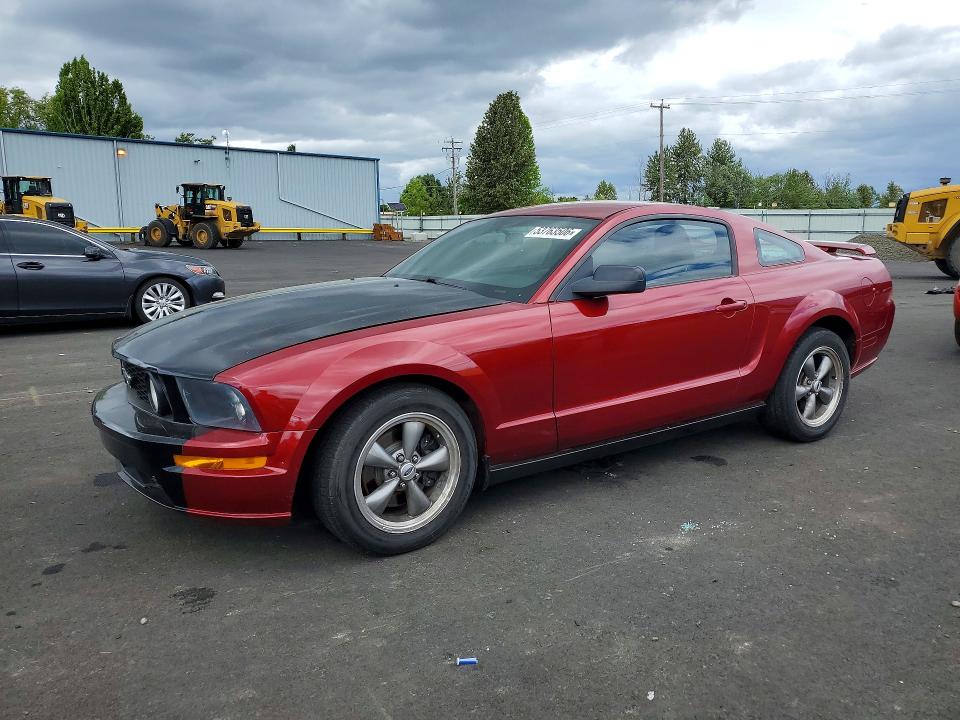
2005 Ford Mustang GT Rear-Ended: Clean Title, $5,225 ACV, Zero Bids
Rear subframe damage on a Fox-era chassis can cost $3,800 to fix. The whole car is worth $5,225.
How is the Shame Score calculated?
The Shame Score (1–10) combines five signals: damage-type severity, title-condition risk, the gap between ACV (Actual Cash Value — the car's pre-damage market price) and AI max bid, listing red flags (run/drive status, secondary damage), and misleading-listing signals from AI photo analysis. A score of 8+ means the model found no financially defensible reason to bid. ACV is pulled from auction listing data; repair costs reference industry body-shop benchmarks. All figures are directional estimates, not binding quotes. Repair costs reference CCC Intelligent Solutions benchmarks and regional body-shop averages.
Would you bid?
Vehicle
2005 FORD MUSTANG
Title
clean
Damage
REAR END
State
Oregon
Mileage
100-150k
Runs/drives
Yes
Approx ACV
~$5,000
AI max bid
$0
ACV from auction listing data · Repair costs via CCC benchmarks + body-shop averages
In plain numbers: Someone is bidding ~$4,500+ on this vehicle. AI analysis says it's worth at most $0 as a project. That's a $5,000gap. Here's why.
A 2005 Mustang GT for zero dollars. V8 under the hood, clean title in hand, keys included, runs and drives. The 4.6L three-valve is one of the better naturally aspirated engines Ford built in that era — parts everywhere, mechanics who know them, a fanbase that keeps values stubborn. At $5,225 ACV (Actual Cash Value — what the car was worth before the wreck), you're looking at a number that feels like an opportunity. The rear damage photos probably show a crumpled bumper cover and some sheet metal. Your brain is already doing the math on a cheap fix and a summer driver.
Stop. Look at what the listing doesn't say. There is no secondary damage listed — not because there isn't any, but because rear-end damage on a 2005 Mustang platform travels. The rear axle housing sits close. The torque arm mounts to the rear subframe. The fuel tank lives back there. A hit hard enough to crumple visible sheet metal is a hit hard enough to have touched something structural, and the listing is silent on exactly how hard that hit was. Silence in a damage listing is not innocence. Silence is the seller not knowing, not caring, or knowing and choosing not to say.
Rear subframe repair on a solid-axle Mustang: $1,200–$2,400 in parts alone if the housing is bent. Rear axle replacement: $800–$1,500 for a used unit plus labor. Fuel tank inspection and possible replacement: $400–$900. Trunk floor and quarter panel metalwork if the hit pushed the body: $1,500–$3,500 depending on how far the damage traveled. Rear glass if the hatch or trunk lid is tweaked: $300–$600. You are now at $4,200–$8,900 in repairs on a $5,225 car before you have touched the front half, before you have done the alignment, before you have replaced the tires that are now running at an angle you cannot see from the driveway. At 114,934 miles, this car was already a daily driver someone used up. The rear-end hit is not the beginning of its problems.
Somebody bids $800 on this, drives it home, and discovers the axle housing is bent when the rear tires wear to the cord in six weeks. Kevin in Chattanooga is going to buy this for a project and spend the next four months learning what a torque arm mount looks like when it's been pushed three inches forward. The car runs. It drives. It will also eat every dollar between the bid price and sanity without apology.
“The cleanest title on a car that lost a fight with something stationary.”
What to watch for: REAR END
- •Crawl under the rear and look at the torque arm — the long diagonal brace running from the rear axle housing forward to the transmission crossmember. It should be straight. If it's kinked, creased, or the mounting point looks like it moved, the hit reached the chassis.
- •Stand directly behind the car and sight down both rear quarter panels toward the front. The body should be symmetrical. If one side looks like it's been nudged inward even half an inch, the unibody took a set and sheet metal work alone won't fix it.
- •Check the trunk floor with a flashlight for ripple waves in the metal — not rust, not surface texture, but actual folded creases radiating forward from the impact point. Every crease forward of the bumper beam means the hit pushed harder than the bumper absorbed.
- •With the car on level ground, measure the gap between each rear tire and the wheel arch lip on both sides. Uneven gaps mean the axle or the body shifted. Either one is expensive. Both together means walk away.
- •Pull the trunk carpet and look at the spare tire well. If the floor pan around the spare is buckled or the spare itself is wedged in at an odd angle, the rear structure moved and the car has been driven in that condition long enough for someone to put it up for auction.
Tomorrow’s lot. Before the auction. Free.
One lot. AI verdict. Max bid. The numbers that matter — before you bid.
Not bidding? Same email — one lot, one roast, every morning. Join readers who watch so they never bid blind.
Not ready? Browse all entries →TL;DR — copy & share
2005 FORD MUSTANG / REAR END / Oregon / ACV ~$5,000 Shame Score: 6.5/10 | AI Max Bid: $0 The cleanest title on a car that lost a fight with something stationary. vetmyride.com/hall-of-shame/2005-ford-mustang-gt-rear-ended-clean-title-acv-zero-bids
Previous entry
2016 HONDA PILOT · Shame 7.5
“The Pilot survived the crash. Your resale value didn't.”
Lot identifying info (lot number, VIN, seller, exact sale date) scrubbed. AI commentary is opinion based on publicly listed damage + auction signals. Always inspect in person before bidding.
AI-generated opinion based on publicly listed auction data. Not a factual vehicle assessment. Actual vehicle condition may differ from listing description. All figures are directional estimates, not binding quotes. VetMyRide is not affiliated with, endorsed by, or sponsored by any auction platform. Not a substitute for professional inspection.