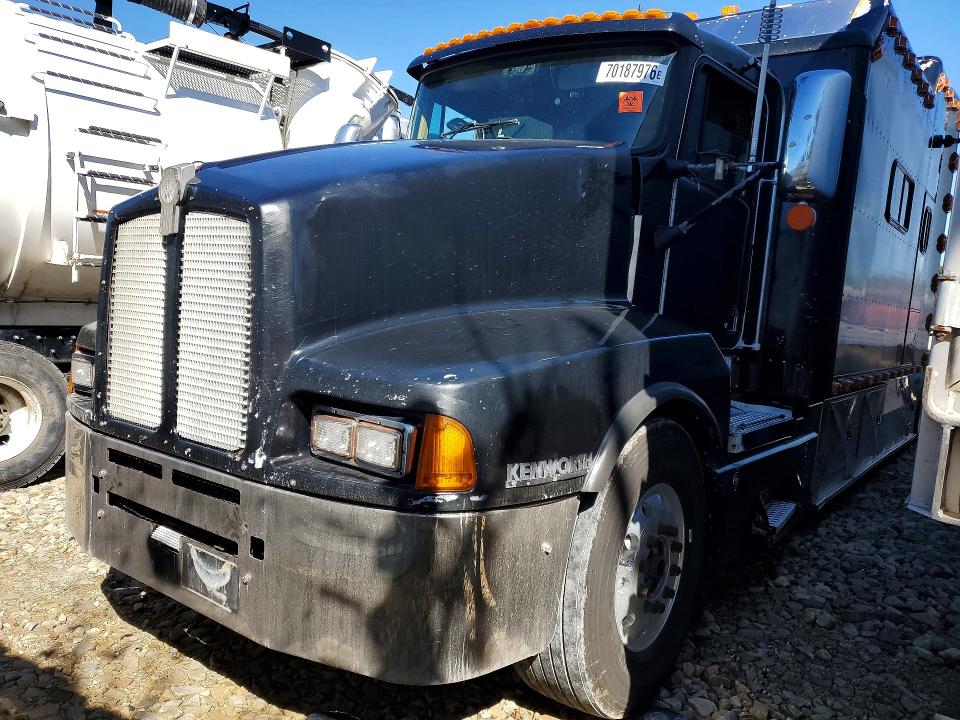
1999 Kenworth T600 Semi: Salvage Fire Truck With 116K Miles and No ACV
A burned semi with a salvage title can't cross a weigh station legally. The DOT number dies with the damage.
How is the Shame Score calculated?
The Shame Score (1–10) combines five signals: damage-type severity, title-condition risk, the gap between ACV (Actual Cash Value — the car's pre-damage market price) and AI max bid, listing red flags (run/drive status, secondary damage), and misleading-listing signals from AI photo analysis. A score of 8+ means the model found no financially defensible reason to bid. ACV is pulled from auction listing data; repair costs reference industry body-shop benchmarks. All figures are directional estimates, not binding quotes. Repair costs reference CCC Intelligent Solutions benchmarks and regional body-shop averages.
Would you bid?
Vehicle
1999 KENWORTH ALL OTHER
Title
salvage
Damage
BURN
State
Pennsylvania
Mileage
100-150k
Runs/drives
—
AI max bid
$0
ACV from auction listing data · Repair costs via CCC benchmarks + body-shop averages
A 1999 Kenworth T600 at zero dollars is the kind of listing that makes a certain type of person sit up straight. The T600 is a legitimate workhorse — long-hood configuration, C15 or ISX likely under that hood, the kind of truck that ran a million miles for somebody before it ran into whatever ended this story. No buy-now price. No reserve showing. Keys in hand. For a fleet buyer or an owner-operator who knows engines, the math looks like it could work. It looks like it could work for about thirty seconds.
The primary damage is BURN. Not 'fire damage.' Not 'heat exposure.' Burn. Copart's own taxonomy uses that word when the fire was significant enough to matter to an insurance adjuster, which means it mattered enough to total a semi truck — a vehicle that takes a catastrophic amount of destruction to write off. The listing volunteers nothing else. No secondary damage listed, which on a burned truck doesn't mean there wasn't any. It means nobody looked hard enough to categorize it, or what they found was already covered by 'burn.' The wiring harness on a T600 runs the length of the frame. Fire doesn't respect boundaries.
Here's what burn damage does to a commercial truck that nobody puts in the listing. Wiring harness replacement on a Class 8 semi runs $8,000–$14,000 in parts alone, plus labor. If the fire touched the cab — and on a T600 the cab is right there — you're looking at interior replacement, potentially a new sleeper unit, and an inspection of every air line and fuel line that ran anywhere near the heat source. Aluminum components warp. Brake chambers corrode from firefighting water. The frame itself needs a certified inspection before any carrier will put this truck under a DOT number, and that inspection costs money before the repairs cost money. There is no ACV listed because Copart didn't establish one, which means you are bidding on a burned truck with no floor, no ceiling, and no idea what the engine looks like inside after sitting with unknown heat exposure. Diesel fires burn hot and they burn long. Frame inspection $2,500 + wiring harness $11,000 + cab restoration $6,000 + DOT recertification $1,800 = $21,300 before you've turned the key.
This truck cannot legally haul freight with a salvage title until it passes a state commercial vehicle inspection and gets rebuilt-title status — and some states don't offer that path for commercial vehicles at all. Derek in Tulsa is going to bid $800 on this because the reserve is zero and he has a shop, and he's going to spend the next four months finding out that the ECM melted.
“The only thing hotter than the asking price was the cab.”
What to watch for: BURN
- •Open the driver's door and look at the wiring bundle that runs along the A-pillar and under the dash. If the insulation is brittle, cracked, or has any color shift toward brown or black, the entire cab harness is compromised — not just the burned section. You cannot splice a semi harness back to roadworthy.
- •Pull the air filter housing and shine a light directly into the intake. Soot inside the intake tract means the fire was hot enough and long enough to pull combustion byproducts toward the engine — that's a teardown inspection before you run it, not after.
- •Walk the full length of the frame rails with a flashlight and look for any blue or purple discoloration on the steel. That color change means the metal reached temperatures that alter its temper. A discolored frame rail is not a weld-and-go fix — it's a replacement, and frame rails on a T600 are not a weekend project.
- •Check every air line you can see — brake system, suspension, everything. Fire melts DOT air line fittings and the lines themselves can look intact while the interior is cracked. A brake line failure at highway speed on a loaded semi is not a recovery situation.
- •If the truck has a sleeper, open the bunk and smell it. Smoke penetrates foam and fabric and does not leave. If you're buying this to put a driver in it, that driver lives in that smell. More practically — if the sleeper smells like a fire, the fire reached the sleeper, and the sleeper's wiring, HVAC, and any auxiliary power unit connections need full inspection.
Tomorrow’s lot. Before the auction. Free.
One lot. AI verdict. Max bid. The numbers that matter — before you bid.
Not bidding? Same email — one lot, one roast, every morning. Join readers who watch so they never bid blind.
Not ready? Browse all entries →TL;DR — copy & share
1999 KENWORTH ALL OTHER / BURN / Pennsylvania / ACV ~$? Shame Score: 9.2/10 | AI Max Bid: $0 The only thing hotter than the asking price was the cab. vetmyride.com/hall-of-shame/1999-kenworth-t600-semi-salvage-fire-truck-with-and-no-acv-70187976
Previous entry
2013 HONDA FIT · Shame 7.8
“43,000 miles and it already lost an argument with gravity.”
Lot identifying info (lot number, VIN, seller, exact sale date) scrubbed. AI commentary is opinion based on publicly listed damage + auction signals. Always inspect in person before bidding.
AI-generated opinion based on publicly listed auction data. Not a factual vehicle assessment. Actual vehicle condition may differ from listing description. All figures are directional estimates, not binding quotes. VetMyRide is not affiliated with, endorsed by, or sponsored by any auction platform. Not a substitute for professional inspection.