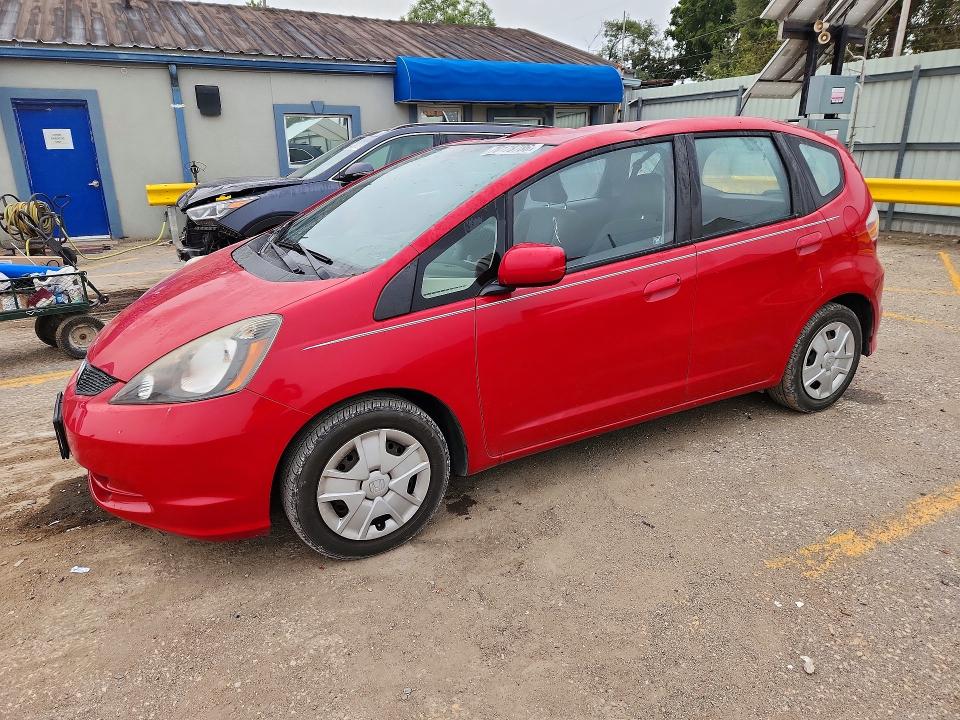
2013 Honda Fit Salvage: Roof Damage That Ends Conversations
Roof damage means the A-pillars, B-pillars, and rollover protection are compromised. This car failed the one job a car has.
How is the Shame Score calculated?
The Shame Score (1–10) combines five signals: damage-type severity, title-condition risk, the gap between ACV (Actual Cash Value — the car's pre-damage market price) and AI max bid, listing red flags (run/drive status, secondary damage), and misleading-listing signals from AI photo analysis. A score of 8+ means the model found no financially defensible reason to bid. ACV is pulled from auction listing data; repair costs reference industry body-shop benchmarks. All figures are directional estimates, not binding quotes. Repair costs reference CCC Intelligent Solutions benchmarks and regional body-shop averages.
Would you bid?
Vehicle
2013 HONDA FIT
Title
salvage
Damage
TOP/ROOF
State
Kansas
Mileage
25-50k
Runs/drives
Yes
Approx ACV
~$7,000
AI max bid
$0
ACV from auction listing data · Repair costs via CCC benchmarks + body-shop averages
In plain numbers: Someone is bidding ~$6,300+ on this vehicle. AI analysis says it's worth at most $0 as a project. That's a $7,000gap. Here's why.
A 2013 Honda Fit with 43,000 miles and a $225 opening bid. That's the kind of number that makes a person lean forward. The Fit has a legendary reputation — tight packaging, surprising interior room, bulletproof 1.5L engine that runs forever. At this mileage, the clutch is barely broken in. The price looks like a rounding error on a good day's work. You start doing the math in your head, the optimistic math, the math where everything goes right.
The damage category is TOP/ROOF. That sounds almost manageable until you understand what the roof does on a unibody car. The roof isn't a lid — it's a structural member. The A-pillars and B-pillars that connect to it are what keep the cabin from collapsing in a rollover. When an insurer looks at roof damage and writes the car off as a total loss, they're not being dramatic. They're saying the geometry of the safety cage is no longer guaranteed. There is no secondary damage listed, which means either nothing else was touched — or the adjuster stopped caring after they saw the roof.
A full roof skin replacement on a Fit runs $1,800–$2,400 in sheetmetal alone. That's the cosmetic part. Structural repair on bent A-pillars is $2,500–$4,000 per pillar depending on how far the damage traveled into the firewall and rocker panels. A proper rollover cage inspection from a certified structural shop — not an oil-change place, a frame and alignment specialist — is another $300–$500 just to tell you what you're dealing with. If the B-pillar is kinked, add $3,000–$5,000 and a prayer. Roof damage on a unibody doesn't stay in one place. It radiates. Frame straightening $3,200 + pillar repair $4,000 + roof skin $2,100 + structural inspection $400 = $9,700 before you've replaced a single piece of glass or touched the headliner. The ACV on this car is $6,600. The math is not ambiguous.
This is a salvage title (legally declared a total loss) on a car whose primary damage is the structure responsible for keeping occupants alive in a rollover. It runs and drives because the engine is in the front and the roof is on top and those two facts are not related. Somebody is going to see $225 and a working Honda and make a decision they'll explain to their insurance agent, their body shop, and eventually a courtroom. Jennifer in Chattanooga is going to bid on this and find out that 'runs and drives' and 'is safe to drive' are two entirely different sentences.
“43,000 miles and it already lost an argument with gravity.”
What to watch for: TOP/ROOF
- •Stand at each corner of the car and sight down the roofline. A straight roof has a consistent, unbroken arc. Any ripple, crease, or shadow that doesn't match the opposite side means the structure moved — and the question is how far down it moved.
- •Open all four doors and look at the gap between the door frame and the door itself. Roof damage that has migrated into the B-pillar will show up as an uneven gap — wider at the top or bottom on one side versus the other. Doors that require extra force to close or that don't latch cleanly are telling you something.
- •Get on your back and look at the rocker panels — the structural tubes that run along the bottom of the car between the front and rear wheels. On a unibody, roof loads transfer down through the pillars into the rockers. A kinked or wrinkled rocker panel means the damage traveled the full height of the car.
- •Check the headliner for staining, rippling, or areas where it's been re-glued. Roof damage almost always requires headliner removal during repair. A replaced or re-glued headliner with a fresh-paint smell means someone tried to make the interior look untouched after significant work above it.
Tomorrow’s lot. Before the auction. Free.
One lot. AI verdict. Max bid. The numbers that matter — before you bid.
Not bidding? Same email — one lot, one roast, every morning. Join readers who watch so they never bid blind.
Not ready? Browse all entries →TL;DR — copy & share
2013 HONDA FIT / TOP/ROOF / Kansas / ACV ~$7,000 Shame Score: 7.8/10 | AI Max Bid: $0 43,000 miles and it already lost an argument with gravity. vetmyride.com/hall-of-shame/2013-honda-fit-salvage-roof-damage-that-ends-conversations-70178786
Previous entry
2026 HONDA CRV · Shame 9.2
“The warranty voided itself before the owner learned the Bluetooth.”
Lot identifying info (lot number, VIN, seller, exact sale date) scrubbed. AI commentary is opinion based on publicly listed damage + auction signals. Always inspect in person before bidding.
AI-generated opinion based on publicly listed auction data. Not a factual vehicle assessment. Actual vehicle condition may differ from listing description. All figures are directional estimates, not binding quotes. VetMyRide is not affiliated with, endorsed by, or sponsored by any auction platform. Not a substitute for professional inspection.