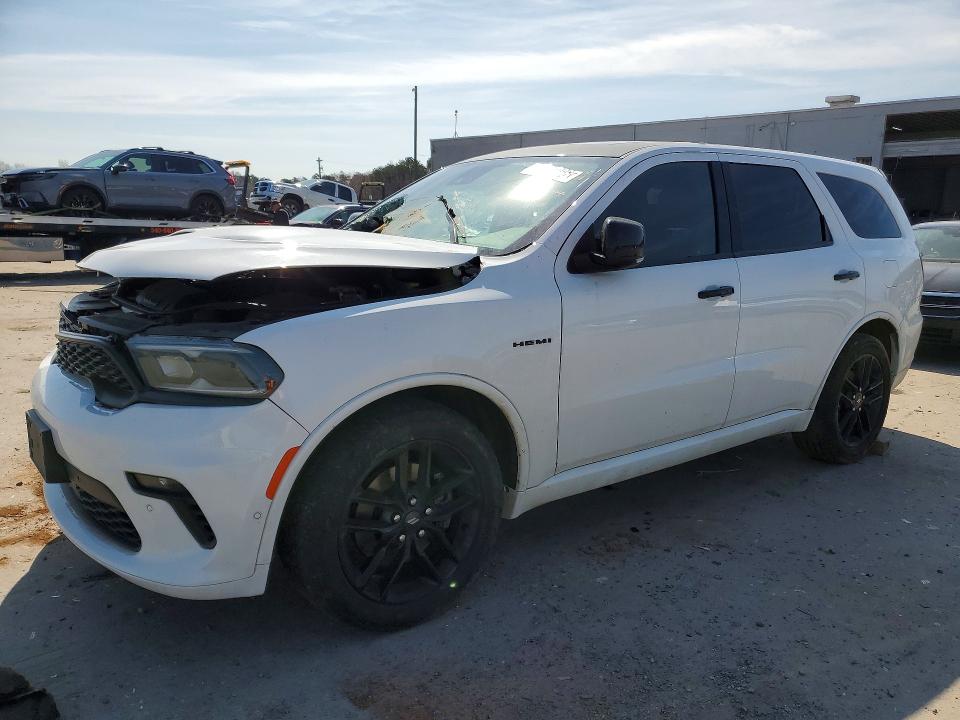
2022 Dodge Durango R/T: Clean Title, Unknown Keys, Burned to the Frame
Clean title on a burned Durango means the DMV never saw it. The fire did.
How is the Shame Score calculated?
The Shame Score (1–10) combines five signals: damage-type severity, title-condition risk, the gap between ACV (Actual Cash Value — the car's pre-damage market price) and AI max bid, listing red flags (run/drive status, secondary damage), and misleading-listing signals from AI photo analysis. A score of 8+ means the model found no financially defensible reason to bid. ACV is pulled from auction listing data; repair costs reference industry body-shop benchmarks. All figures are directional estimates, not binding quotes. Repair costs reference CCC Intelligent Solutions benchmarks and regional body-shop averages.
Would you bid?
Vehicle
2022 DODGE DURANGO R
Title
clean
Damage
BURN
State
Virginia
Mileage
over 200k
Runs/drives
—
Approx ACV
~$35,000
AI max bid
$0
ACV from auction listing data · Repair costs via CCC benchmarks + body-shop averages
In plain numbers: Someone is bidding ~$31,500+ on this vehicle. AI analysis says it's worth at most $0 as a project. That's a $35,000gap. Here's why.
A 2022 Dodge Durango R/T with a clean title (meaning no prior salvage or total-loss brand on the certificate) sitting at $200. The R/T trim — 5.7L HEMI V8, third-row seating, tow package, the whole family-hauler fantasy — carries an ACV (Actual Cash Value — what the car was worth before the damage) of $35,000. Two hundred dollars. For a two-year-old V8 SUV with a clean title. The math looks so good it almost makes you reach for your bidding paddle.
Then you read the rest. Primary damage: burn. Secondary damage: none listed — which doesn't mean none exists, it means nobody checked, or nobody wanted to write it down. Mileage logged as 999,999, which is auction shorthand for 'the odometer is unreadable, destroyed, or we simply gave up.' Keys: unknown. Run/drive: unknown. Every field that would tell you whether this vehicle has a future reads as a blank or a placeholder. The listing is not hiding information. It is telling you, in the clearest possible language, that nobody knows what's left.
Fire damage on a modern SUV is not a repair category — it's a forensic exercise. A burn that reaches the cabin destroys the wiring harness first: $3,500 to $6,000 to replace, assuming the routing behind the dash and under the floor isn't fused into the structure. The R/T's HEMI V8 may survive an engine-bay fire intact or may have cooked its valve seals, intake, and sensors into scrap — inspection cost alone runs $400 before a single bolt turns. Structural steel exposed to sustained heat loses temper and load-bearing capacity without visibly deforming, meaning a frame that looks straight is not straight in any way that matters. Add airbag module replacement ($1,800), full interior strip and replacement ($8,000–$14,000 depending on how far the fire traveled), and a paint and refinish job on every panel that absorbed smoke and heat ($4,500–$7,000). Conservative total: $18,000–$28,000 before you've confirmed the engine runs. Against a $35,000 ACV, you need to buy this car for under $7,000 to have any prayer of breaking even — and that's before the clean title (clean title — legally unbranded, but fire damage this severe will trigger a salvage or rebuilt brand the moment it hits an insurance adjuster's desk) gets rebranded on reinspection in most states.
Someone is going to see $200 and a clean title and feel like they found a loophole. They haven't found a loophole. They've found a burned SUV with no keys, no confirmed mileage, and no documented secondary damage on a vehicle where secondary damage is almost guaranteed. Keisha in Marietta is going to bid this to $4,500 and spend the next six months learning what a wiring harness smells like when it's been on fire.
“The mileage says 999,999. The fire got there first.”
What to watch for: BURN
- •Shine a light into the footwells and look at the carpet backing — fire damage pulls moisture into the insulation beneath, and that moisture stays. If the padding is brittle, discolored, or smells like wet ash, the floor structure has been compromised and you're looking at a full interior gut.
- •Check the firewall where the wiring harness passes through from the engine bay into the cabin. On a burn vehicle, this is ground zero. Look for melted plastic conduit, fused wire bundles, or heat discoloration on the metal itself. If the harness is fused to the firewall, the car is a parts donor, not a rebuild.
- •Run a magnet along every body panel from front to back. Fire causes metal to warp and body shops fill the low spots with filler before a quick respray. A magnet that loses grip mid-panel means filler, which means hidden structural or cosmetic damage that wasn't in the listing.
- •On the HEMI V8, pull the oil cap and look for white or gray residue inside the valve cover — heat damage to the engine can cook the seals and contaminate the oil without leaving visible external damage. If the engine ran hot during the fire, assume the top end needs a full inspection before you trust it.
- •Check the VIN plate on the dash and the door jamb sticker — fire vehicles sometimes have VIN plates that are warped, discolored, or partially melted. A compromised VIN plate will fail DMV inspection in most states and can block registration entirely, clean title or not.
Tomorrow’s lot. Before the auction. Free.
One lot. AI verdict. Max bid. The numbers that matter — before you bid.
Not bidding? Same email — one lot, one roast, every morning. Join readers who watch so they never bid blind.
Not ready? Browse all entries →TL;DR — copy & share
2022 DODGE DURANGO R / BURN / Virginia / ACV ~$35,000 Shame Score: 9.2/10 | AI Max Bid: $0 The mileage says 999,999. The fire got there first. vetmyride.com/hall-of-shame/2022-dodge-durango-r-t-clean-title-unknown-keys-burned-to-the-frame
Previous entry
2012 BMW 5 SERIES · Shame 7.8
“The cheapest part of owning this car is the $900 bid.”
Lot identifying info (lot number, VIN, seller, exact sale date) scrubbed. AI commentary is opinion based on publicly listed damage + auction signals. Always inspect in person before bidding.
AI-generated opinion based on publicly listed auction data. Not a factual vehicle assessment. Actual vehicle condition may differ from listing description. All figures are directional estimates, not binding quotes. VetMyRide is not affiliated with, endorsed by, or sponsored by any auction platform. Not a substitute for professional inspection.