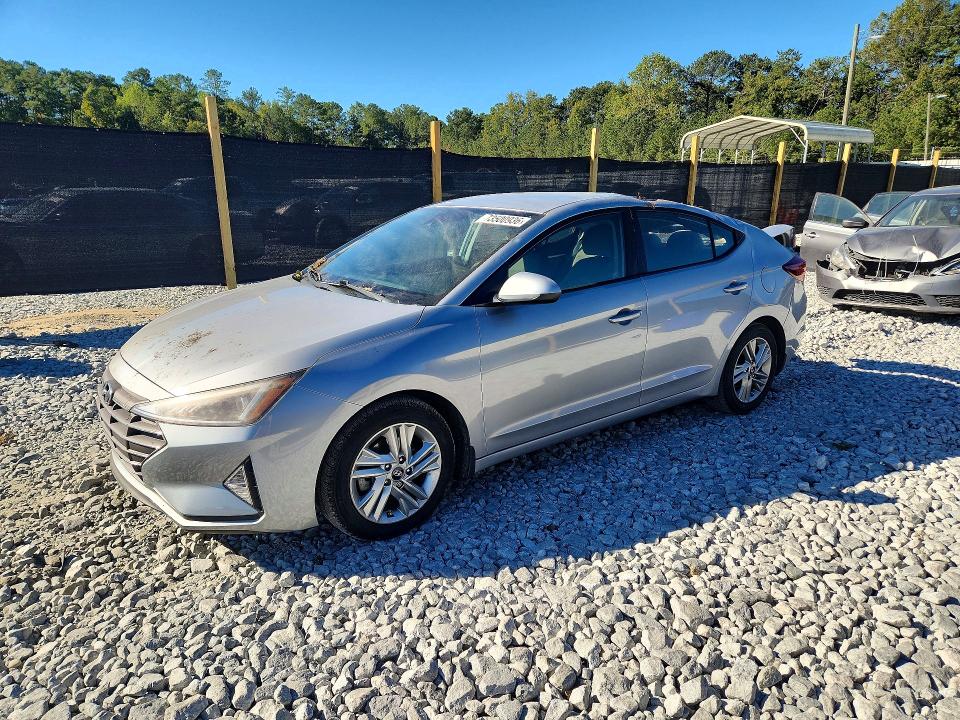
2020 Hyundai Elantra Salvage: The Roof Came In
Roof damage on a unibody means the A-pillar, B-pillar, and roof rail all moved. That's not a panel swap — that's a cage.
How is the Shame Score calculated?
The Shame Score (1–10) combines five signals: damage-type severity, title-condition risk, the gap between ACV (Actual Cash Value — the car's pre-damage market price) and AI max bid, listing red flags (run/drive status, secondary damage), and misleading-listing signals from AI photo analysis. A score of 8+ means the model found no financially defensible reason to bid. ACV is pulled from auction listing data; repair costs reference industry body-shop benchmarks. All figures are directional estimates, not binding quotes. Repair costs reference CCC Intelligent Solutions benchmarks and regional body-shop averages.
Would you bid?
Vehicle
2020 HYUNDAI ELANTRA
Title
salvage
Damage
TOP/ROOF
State
Georgia
Mileage
50-100k
Runs/drives
Yes
Approx ACV
~$12,000
AI max bid
$0
ACV from auction listing data · Repair costs via CCC benchmarks + body-shop averages
In plain numbers: Someone is bidding ~$10,800+ on this vehicle. AI analysis says it's worth at most $0 as a project. That's a $12,000gap. Here's why.
Eighty-seven thousand miles on a 2020 Elantra SEL and the bid is sitting at zero dollars. Clean interior shot, runs and drives, keys in hand — for a brief second this looks like the one. The SEL trim gets you blind-spot monitoring, heated front seats, and a lane-keep assist that, ironically, could not help whoever was driving this car on the day the roof stopped being where roofs go. Eleven thousand seven hundred seventy-five dollars ACV (Actual Cash Value — what the car was worth before the damage) and a current bid of nothing. Your brain starts doing math in the wrong direction.
The listing says TOP/ROOF for primary damage and leaves secondary damage blank. That blank is doing a lot of work. Roof damage on a unibody (a car where the body and frame are a single welded structure, not separate like a truck) doesn't stay in the roof. The load transfers. The A-pillars — the ones holding the windshield — take it. The B-pillars — the ones keeping the doors aligned and the cabin from collapsing sideways — take it. The roof rails, the rocker panels, the firewall geometry. You are not buying a car with a dented roof. You are buying a car whose skeleton got reorganized.
Salvage title (legally declared a total loss by an insurance company) kills the resale value before you spend a dollar on repairs. Structural roof repair at a certified shop runs $3,500 to $6,000 minimum — and that's if the A and B pillars measure clean on a frame rack. They won't. Add pillar repair or replacement at $1,800 to $3,200 per pillar, airbag replacement if the curtain bags deployed at $900 to $1,400, headliner and interior trim at $600 to $900, and a full alignment and structural certification at $400. Conservative math: $3,500 roof + $3,200 B-pillar + $1,400 airbags + $900 interior + $400 certification = $9,400 in repairs on a car with an ACV of $11,775 that you can never sell with a clean title again.
Deirdre in Chattanooga is going to bid $800 on this because it runs and drives, and she's going to find out what 'runs and drives' means when the doors don't close flush and the windshield starts leaking at the A-pillar seam. The car will sit in her driveway while she gets three quotes that all start with 'well, the problem is...' A salvage Elantra with roof damage retails for maybe $5,500 to a very motivated buyer who knows exactly what they have. After repairs, you're upside down before the ink dries.
“The roof called. It's inside now.”
What to watch for: TOP/ROOF
- •Stand outside the car and sight down the roofline from the front corner. It should be a straight, unbroken line. Any wave, ripple, or shadow across the roof skin means the structure underneath was pushed — and pushed things don't unpush themselves.
- •Open all four doors and check the gap between each door and its frame. Roof crush redistributes to the pillars, and the first place you'll see it is uneven door gaps — one side tight at the top, wide at the bottom, or a door that needs to be lifted slightly to latch.
- •Check the windshield corners where the glass meets the A-pillar trim. Stress cracks radiating from the corners mean the A-pillar flexed during impact. That glass is going to leak, and the crack will grow.
- •Pull back the headliner at the B-pillar on both sides — there's usually a plastic trim piece you can pop loose without tools. Look for crinkled metal, weld seam separation, or fresh undercoating sprayed over bare metal. Fresh undercoating on a four-year-old car means someone was hiding something.
- •Ask for the insurance total-loss report if the seller has it. It will list every damage zone the adjuster photographed. If the report mentions 'roof rail,' 'pillar,' or 'rocker' anywhere, the damage went structural and the repair cost just doubled.
Tomorrow’s lot. Before the auction. Free.
One lot. AI verdict. Max bid. The numbers that matter — before you bid.
Not bidding? Same email — one lot, one roast, every morning. Join readers who watch so they never bid blind.
Not ready? Browse all entries →TL;DR — copy & share
2020 HYUNDAI ELANTRA / TOP/ROOF / Georgia / ACV ~$12,000 Shame Score: 7.8/10 | AI Max Bid: $0 The roof called. It's inside now. vetmyride.com/hall-of-shame/2020-hyundai-elantra-salvage-the-roof-came-in-73500936
Previous entry
2016 INTERNATIONAL 4300 · Shame 9.2
“The odometer quit caring 200,000 miles before the truck did.”
Lot identifying info (lot number, VIN, seller, exact sale date) scrubbed. AI commentary is opinion based on publicly listed damage + auction signals. Always inspect in person before bidding.
AI-generated opinion based on publicly listed auction data. Not a factual vehicle assessment. Actual vehicle condition may differ from listing description. All figures are directional estimates, not binding quotes. VetMyRide is not affiliated with, endorsed by, or sponsored by any auction platform. Not a substitute for professional inspection.