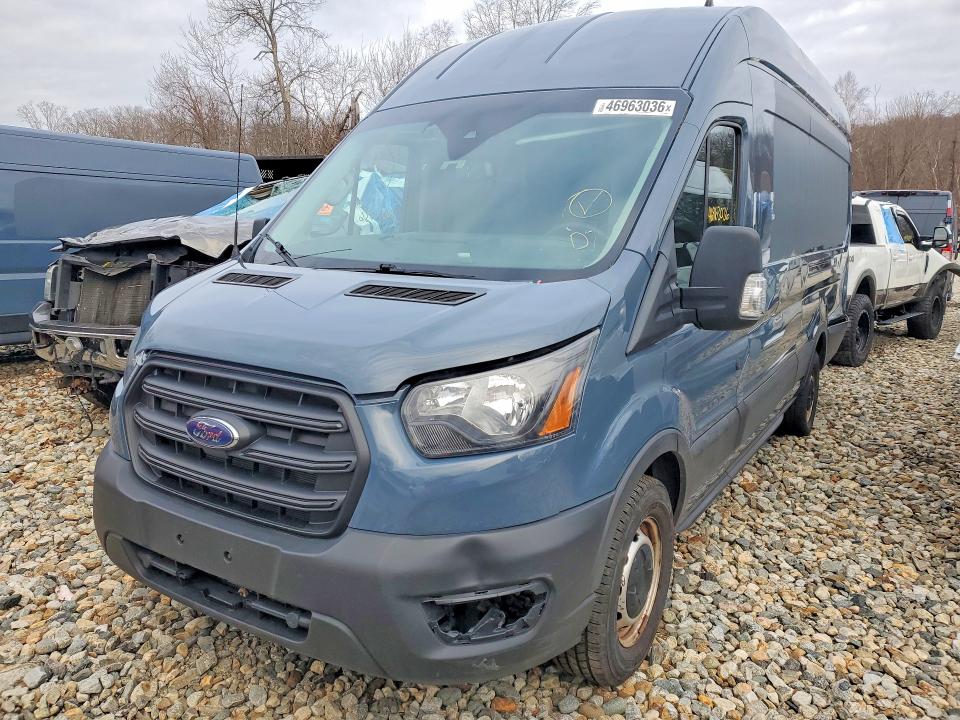
2020 Ford Transit T-250: Clean Title, Unknown Mechanical, Fleet Secrets
Mechanical failure + fleet history + unknown run/drive = a van that won't tell you what killed it.
How is the Shame Score calculated?
The Shame Score (1–10) combines five signals: damage-type severity, title-condition risk, the gap between ACV (Actual Cash Value — the car's pre-damage market price) and AI max bid, listing red flags (run/drive status, secondary damage), and misleading-listing signals from AI photo analysis. A score of 8+ means the model found no financially defensible reason to bid. ACV is pulled from auction listing data; repair costs reference industry body-shop benchmarks. All figures are directional estimates, not binding quotes. Repair costs reference CCC Intelligent Solutions benchmarks and regional body-shop averages.
Would you bid?
Vehicle
2020 FORD TRANSIT
Title
clean
Damage
MECHANICAL
State
Massachusetts
Mileage
50-100k
Runs/drives
—
Approx ACV
~$24,000
AI max bid
$0
ACV from auction listing data · Repair costs via CCC benchmarks + body-shop averages
In plain numbers: Someone is bidding ~$21,600+ on this vehicle. AI analysis says it's worth at most $0 as a project. That's a $24,000gap. Here's why.
A 2020 Ford Transit T-250 with 62,000 miles and a clean title at $10,900 against a $24,325 ACV (Actual Cash Value — what the vehicle was worth before the damage event). That's a $13,000 gap sitting right there on the screen. Transit vans hold value because they work — contractors run them, delivery outfits stack miles on them, and they sell used for real money. This one looks like a deal. The mileage is reasonable, the title is clean, and the buy-now is $10,985. You could almost talk yourself into it.
Here's the tell: prior fleet. Fleet vehicles don't go to auction at 62,000 miles because the fleet manager suddenly felt generous. They go because something happened that made the math stop working. A fleet manager's job is to keep vehicles moving. When they stop moving, they get fixed. When fixing costs more than replacing, the unit gets liquidated — fast, quiet, and with paperwork that says exactly nothing about why. The listing says "mechanical" damage and "unknown" on run/drive. That combination means the seller knows what's wrong and has chosen not to say.
Transit T-250s have specific mechanical failure modes that are not cheap. EcoBoost timing chain issues run $2,800–$4,200 in labor alone. A blown turbocharger on the 2.0L is $1,400–$2,200 parts and labor. If this van was a fleet unit doing delivery cycles — constant stop-start, loaded cargo, deferred maintenance intervals — the transmission takes abuse that doesn't show up on a Carfax. A rebuilt 10-speed SelectShift transmission is $4,500–$6,800 installed. If the failure is engine-deep, you're looking at a short block replacement at $7,000–$9,500 before a single mile gets driven. Timing chain $3,200 + turbo $1,800 + transmission $5,200 = $10,200 on top of a $10,900 bid, and you still don't know if those are even the right repairs until a shop tears it down.
The van doesn't run. You can't verify that. The fleet operator already decided it wasn't worth fixing. You are being asked to pay $10,900 for the privilege of finding out why. Derek in Columbus is going to win this auction, tow it to his guy, and spend the next six weeks learning what "mechanical" means in fleet disposal language.
“62,844 miles and it already quit. The fleet guys didn't even bother fixing it.”
What to watch for: MECHANICAL
- •Pull the oil filler cap and look at the underside — if you see gray or tan sludge that looks like a milkshake, coolant has entered the oil, which means a blown head gasket or cracked block. That's a $7,000 repair minimum on a Transit.
- •Check the transmission fluid dipstick if accessible — dark brown or black fluid with a burnt smell means the trans has been cooked. Fresh fluid in an otherwise neglected van means someone changed it recently to hide the color.
- •Look for fresh undercoating or spray paint on the oil pan, transmission pan, or engine block seams. Fleet disposal units sometimes get cosmetically cleaned before auction. New paint on old metal in the engine bay means someone was covering something up.
- •If you can get power to the van, pull codes with an OBD-II scanner (the port is under the dash, driver's side). A Transit with genuine minor mechanical damage will have one or two codes. A van with ten pending codes across multiple systems has been sick for a long time.
- •Check the frame rails behind the front wheels for stress cracks or weld repairs — fleet Transits loaded beyond spec develop frame fatigue that doesn't appear in any damage category but will crack again under load.
Tomorrow’s lot. Before the auction. Free.
One lot. AI verdict. Max bid. The numbers that matter — before you bid.
Not bidding? Same email — one lot, one roast, every morning. Join readers who watch so they never bid blind.
Not ready? Browse all entries →TL;DR — copy & share
2020 FORD TRANSIT / MECHANICAL / Massachusetts / ACV ~$24,000 Shame Score: 8.2/10 | AI Max Bid: $0 62,844 miles and it already quit. The fleet guys didn't even bother fixing it. vetmyride.com/hall-of-shame/2020-ford-transit-t-250-clean-title-unknown-mechanical-fleet-secrets
Previous entry
2020 CHEVROLET SONIC · Shame 6.5
“The buy-now price is missing and so is the front of the car.”
Lot identifying info (lot number, VIN, seller, exact sale date) scrubbed. AI commentary is opinion based on publicly listed damage + auction signals. Always inspect in person before bidding.
AI-generated opinion based on publicly listed auction data. Not a factual vehicle assessment. Actual vehicle condition may differ from listing description. All figures are directional estimates, not binding quotes. VetMyRide is not affiliated with, endorsed by, or sponsored by any auction platform. Not a substitute for professional inspection.