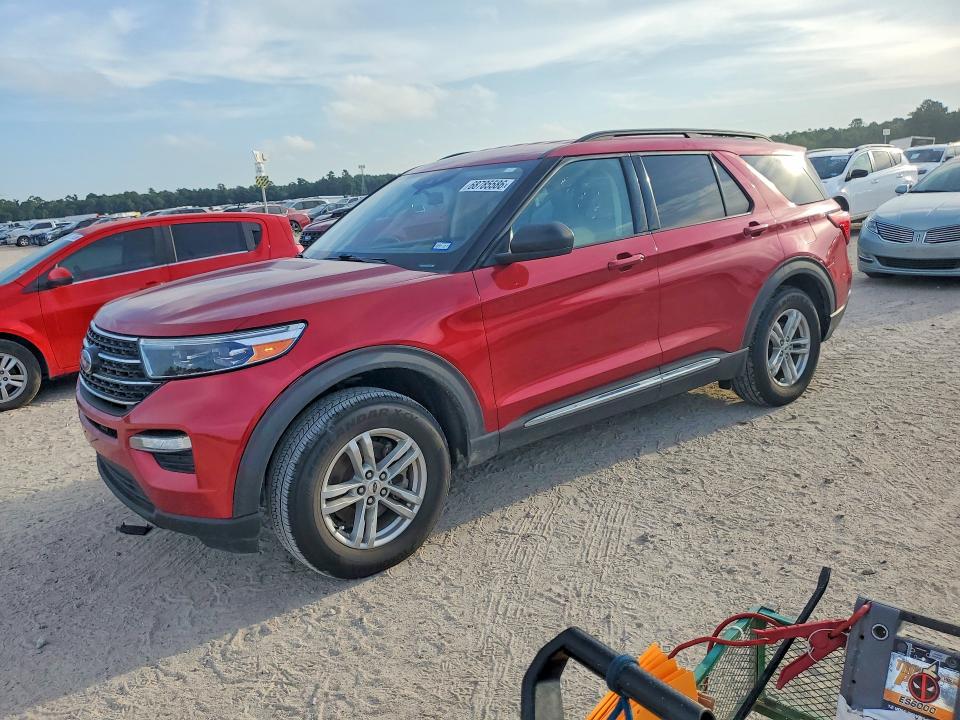
2020 Ford Explorer XLT Flood Salvage: $350 Bid, $19K ACV, $0 Sense
You can't register a salvage Explorer in 11 states. The ones that let you will want a rebuilt inspection. The mold doesn't care either way.
How is the Shame Score calculated?
The Shame Score (1–10) combines five signals: damage-type severity, title-condition risk, the gap between ACV (Actual Cash Value — the car's pre-damage market price) and AI max bid, listing red flags (run/drive status, secondary damage), and misleading-listing signals from AI photo analysis. A score of 8+ means the model found no financially defensible reason to bid. ACV is pulled from auction listing data; repair costs reference industry body-shop benchmarks. All figures are directional estimates, not binding quotes. Repair costs reference CCC Intelligent Solutions benchmarks and regional body-shop averages.
Would you bid?
Vehicle
2020 FORD EXPLORER
Title
salvage
Damage
WATER/FLOOD
State
Texas
Mileage
25-50k
Runs/drives
Yes
Approx ACV
~$19,000
AI max bid
$0
ACV from auction listing data · Repair costs via CCC benchmarks + body-shop averages
In plain numbers: Someone is bidding ~$17,100+ on this vehicle. AI analysis says it's worth at most $0 as a project. That's a $19,000gap. Here's why.
Forty thousand miles on a 2020 Explorer XLT is nothing. This thing should have a decade of highway left in it — three rows, Ford's 2.3L EcoBoost, SYNC 3, the whole family hauler package. The ACV (Actual Cash Value — what it was worth before the water got in) sits at $19,350, which means someone bought a real truck not long ago. The current bid is $350. Three hundred and fifty dollars. For a 2020. The brain wants to run the numbers and feel smart.
The listing says it runs and drives. It does not say how long. Flood cars run and drive right up until the moment they don't — until a waterlogged BCM (Body Control Module — the computer that talks to every electrical system in the vehicle) throws a code no scanner at AutoZone has ever seen, or until the transmission, which sat in standing water long enough to let contaminated fluid past every seal, decides 40,743 miles is a fine place to stop shifting. The listing also doesn't say how deep the water got. It doesn't say how long the car sat. Those two numbers are the only numbers that matter, and they aren't here.
Flood remediation on a three-row SUV with this much electronics is not a weekend job. Mold remediation alone runs $1,500 to $3,000 if a shop catches it early — double that if it's been sitting. The SYNC 3 module, the instrument cluster, the rear entertainment wiring, the airbag control unit: each of these is a separate line item when they fail, and they will fail on a schedule you don't control. Frame inspection $400 + full electrical diagnostic $600 + BCM replacement $900 + transmission fluid flush and inspection $350 + mold remediation $2,200 + rebuilt title inspection fees and registration hassle $300 = $4,750 before you've found the thing that actually kills it. And that's the optimistic version where nothing major is fried. A replacement transmission for the 10-speed automatic in this generation Explorer is $3,800 to $5,200 installed. One soaked TCM (Transmission Control Module) and you're there.
The salvage title (legally declared a total loss by an insurance company) follows this vehicle forever. Resale value: gutted. Financing: almost impossible. Insurance on a rebuilt title: expensive and limited. Kevin in Marietta is going to see $350 and think he's found the one clean flood car in the auction, and he is going to spend the next two years finding out what the water touched. Don't be Kevin.
“The carpets dried. The ECU modules did not.”
What to watch for: WATER/FLOOD
- •Pull the carpet padding under the third row and press your hand into the foam. If it's damp, cold, or smells like a basement six months after a flood, the car is actively rotting. The padding holds water long after the carpet surface looks dry.
- •Find the fuse box under the hood and look at the terminals. Green or white corrosion on the fuse contacts means water got high enough to reach engine-bay electrical. That's a different — worse — flood than one that only soaked the interior.
- •Open every door and look at the bottom of the door jamb where it meets the rocker panel. Mud lines inside the door jamb tell you exactly how high the water got. A line above the seat cushion height means every control module in the cabin was submerged.
- •With the car running, put it in Drive and hold the brake, then release slowly. A flood-damaged 10-speed automatic will often shudder, hesitate, or clunk on the 1-2 shift before it fails completely. That shudder is the transmission telling you it's already compromised.
- •Check the seat track rails — the metal sliders under each seat. Rust on the seat tracks after a 'recent' flood means the car sat in water longer than the seller wants to discuss. Fresh rust on a 2020 is not factory.
Tomorrow’s lot. Before the auction. Free.
One lot. AI verdict. Max bid. The numbers that matter — before you bid.
Not bidding? Same email — one lot, one roast, every morning. Join readers who watch so they never bid blind.
Not ready? Browse all entries →TL;DR — copy & share
2020 FORD EXPLORER / WATER/FLOOD / Texas / ACV ~$19,000 Shame Score: 9.1/10 | AI Max Bid: $0 The carpets dried. The ECU modules did not. vetmyride.com/hall-of-shame/2020-ford-explorer-xlt-flood-salvage-bid-k-acv-sense-68785586
Previous entry
2015 CHRYSLER 200 · Shame 8.2
“The mileage is unknown because the car has given up on transparency.”
Lot identifying info (lot number, VIN, seller, exact sale date) scrubbed. AI commentary is opinion based on publicly listed damage + auction signals. Always inspect in person before bidding.
AI-generated opinion based on publicly listed auction data. Not a factual vehicle assessment. Actual vehicle condition may differ from listing description. All figures are directional estimates, not binding quotes. VetMyRide is not affiliated with, endorsed by, or sponsored by any auction platform. Not a substitute for professional inspection.