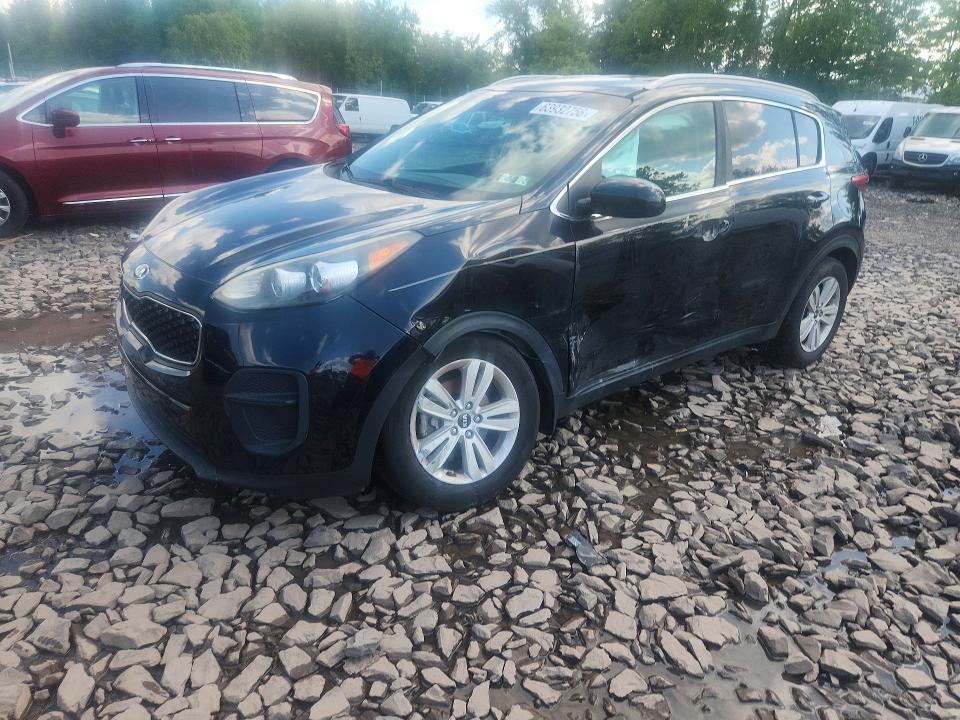
2017 Kia Sportage Salvage: Vandalism Damage Nobody Will Explain
Salvage title means an insurer paid out. What did they pay out for? The listing won't say. That silence costs you.
How is the Shame Score calculated?
The Shame Score (1–10) combines five signals: damage-type severity, title-condition risk, the gap between ACV (Actual Cash Value — the car's pre-damage market price) and AI max bid, listing red flags (run/drive status, secondary damage), and misleading-listing signals from AI photo analysis. A score of 8+ means the model found no financially defensible reason to bid. ACV is pulled from auction listing data; repair costs reference industry body-shop benchmarks. All figures are directional estimates, not binding quotes. Repair costs reference CCC Intelligent Solutions benchmarks and regional body-shop averages.
Would you bid?
Vehicle
2017 KIA SPORTAGE
Title
salvage
Damage
VANDALISM
State
Pennsylvania
Mileage
25-50k
Runs/drives
Yes
Approx ACV
~$9,000
AI max bid
$0
ACV from auction listing data · Repair costs via CCC benchmarks + body-shop averages
In plain numbers: Someone is bidding ~$8,100+ on this vehicle. AI analysis says it's worth at most $0 as a project. That's a $9,000gap. Here's why.
A 2017 Kia Sportage LX with 37,341 miles is a genuinely decent proposition. Low mileage for the age, a known reliable platform, runs and drives, keys in hand, and someone's opening bid is twenty-five dollars. Twenty-five. You could spend more on lunch. For a moment — just a moment — this looks like the one everyone at the auction talks about finding but never actually finds.
Vandalism is the damage category that sounds the least scary and hides the most. Keyed paint? Sure. Smashed windows? Fine. But insurers don't cut a check large enough to total an $8,675 (ACV — Actual Cash Value, what the car was worth before the claim) vehicle over a broken window and some scratched panels. They pay out salvage-level claims when the damage is structural, systemic, or expensive enough to exceed the repair threshold. 'Vandalism' on a salvage title (legally declared a total loss by an insurance company) is a category, not a description. Someone set a fire and called it vandalism. Someone stripped the wiring harness. Someone put something in the fuel tank. The listing is not going to tell you which one.
Wiring damage alone — the kind that happens in a targeted attack or an interior fire — runs $3,000 to $8,000 depending on how deep it goes and whether the ECU took heat. A fuel system contamination flush and repair: $800 to $2,500. Structural vandalism involving the roof, pillars, or undercarriage adds frame inspection at $200, repairs starting at $3,500. Paint and glass, if that's all this was, might run $1,500 to $2,800. The math: even the optimistic scenario eats $4,000 to $5,000 on an $8,675 ACV car you still can't register in most states without a salvage inspection that will find everything the listing didn't mention. The pessimistic scenario is a car with a burned wiring harness, a salvage title, and no path to street legal.
Someone is going to bid $300 on this because it runs and drives and they figure they'll sort out the rest. Diane in Pensacola is going to win it, drive it home, and spend four months discovering what 'vandalism' actually meant. The salvage inspection will flag the wiring. The insurer will decline coverage. The DMV will want a rebuilt title inspection with documentation she doesn't have. The car will sit. The $300 bid will turn into $300 plus storage plus the inspection plus the repairs plus the registration fees plus the realization that the car cannot be insured at a rate that makes sense for a rebuilt salvage Sportage worth maybe $5,200 on its best day.
“The car survived 37,000 miles. The listing couldn't survive one honest sentence.”
What to watch for: VANDALISM
- •Pull every interior panel you can access and smell. Fire and smoke leave a smell that detailing cannot kill — check under the dash, behind the rear seat, and inside the trunk liner. If it smells like anything other than old car, the damage was thermal.
- •Check the wiring harness under the hood and under the dash with a flashlight. Look for melted insulation, spliced wires with mismatched tape, or connectors that have been replaced recently. New connectors on an old harness means someone already found the problem and patched it.
- •Inspect the fuel filler neck and look for residue around the fuel door. Sugar, bleach, and abrasive contamination leave deposits. A borescope into the tank costs $50 at a shop and will tell you whether the tank has been compromised.
- •Run the VIN through the insurance total-loss database before you bid — not just Carfax. NICB (National Insurance Crime Bureau) has a free VIN check that flags theft and total-loss events. If the claim amount is visible, compare it to the ACV. A high payout on a 'vandalism' claim tells you exactly how bad it was.
Tomorrow’s lot. Before the auction. Free.
One lot. AI verdict. Max bid. The numbers that matter — before you bid.
Not bidding? Same email — one lot, one roast, every morning. Join readers who watch so they never bid blind.
Not ready? Browse all entries →TL;DR — copy & share
2017 KIA SPORTAGE / VANDALISM / Pennsylvania / ACV ~$9,000 Shame Score: 7.8/10 | AI Max Bid: $0 The car survived 37,000 miles. The listing couldn't survive one honest sentence. vetmyride.com/hall-of-shame/2017-kia-sportage-salvage-vandalism-damage-nobody-will-explain-63932756
Previous entry
2023 TESLA MODEL Y · Shame 9.2
“No key, no roof, no title — but the frunk still opens, probably.”
Lot identifying info (lot number, VIN, seller, exact sale date) scrubbed. AI commentary is opinion based on publicly listed damage + auction signals. Always inspect in person before bidding.
AI-generated opinion based on publicly listed auction data. Not a factual vehicle assessment. Actual vehicle condition may differ from listing description. All figures are directional estimates, not binding quotes. VetMyRide is not affiliated with, endorsed by, or sponsored by any auction platform. Not a substitute for professional inspection.