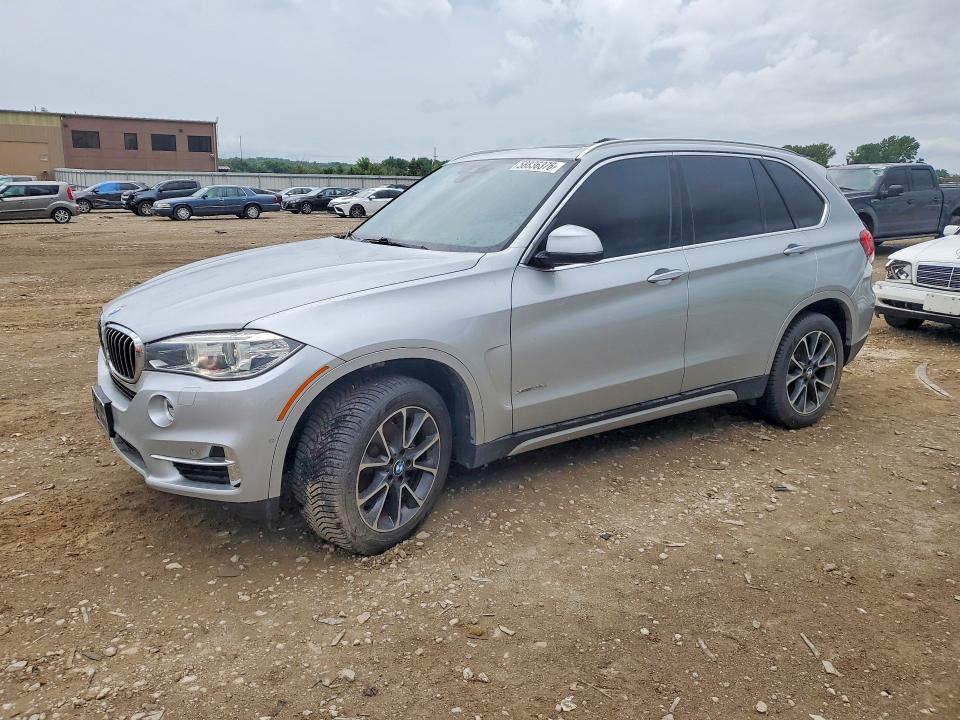
2017 BMW X5 Flood Salvage: $12K Car, $30K Problem
Salvage title means the insurer already did the math and walked away. So should you.
How is the Shame Score calculated?
The Shame Score (1–10) combines five signals: damage-type severity, title-condition risk, the gap between ACV (Actual Cash Value — the car's pre-damage market price) and AI max bid, listing red flags (run/drive status, secondary damage), and misleading-listing signals from AI photo analysis. A score of 8+ means the model found no financially defensible reason to bid. ACV is pulled from auction listing data; repair costs reference industry body-shop benchmarks. All figures are directional estimates, not binding quotes. Repair costs reference CCC Intelligent Solutions benchmarks and regional body-shop averages.
Would you bid?
Vehicle
2017 BMW X5
Title
salvage
Damage
WATER/FLOOD
State
Kansas
Mileage
100-150k
Runs/drives
—
Approx ACV
~$13,000
AI max bid
$0
ACV from auction listing data · Repair costs via CCC benchmarks + body-shop averages
In plain numbers: Someone is bidding ~$11,700+ on this vehicle. AI analysis says it's worth at most $0 as a project. That's a $13,000gap. Here's why.
A 2017 BMW X5 xDrive35I at zero bid sounds like the setup to a great story. Three-liter turbocharged inline-six, all-wheel drive, the kind of SUV that still commands respect in a parking lot at 138,000 miles. The ACV (Actual Cash Value — what it was worth before the water got in) sits at $12,775, which means you're theoretically buying a twelve-thousand-dollar BMW for the price of a winning bid and a tow truck. That's the story the listing tells. It's a good story.
The listing says flood. It does not say how much flood, which flood, or how long it sat in that flood. That silence is doing a lot of work. BMW's electrical architecture on the F15 X5 — the generation this is — runs on a CANbus network (Controller Area Network — the nervous system that lets every module talk to every other module) with control units tucked behind dashboards, under seats, and inside doors. Water doesn't have to reach the headliner to destroy a CANbus system. It has to reach the carpet. At 138,000 miles, those connectors were already working hard. Now they've been marinated.
The repair math on a flood-damaged F15 X5 is not a negotiation. The DME (Digital Motor Electronics — the engine control module) alone runs $1,800 to $2,400 plus programming. The transfer case module, transmission control unit, and DSC (Dynamic Stability Control) module each add $600 to $1,200 if they've been compromised. Mold remediation on a full-size SUV with BMW's layered carpet and insulation padding runs $1,500 to $2,500 — and that's if you catch it before it's structural. The turbocharged N55 engine ingests water through the intake if the flood reached hood level, and hydrolocked engines don't negotiate: short block replacement is $6,000 to $9,000. A full electrical diagnostic at a BMW specialist — not a chain shop, a specialist — starts at $300 and climbs fast once they start pulling modules. Frame and subframe corrosion inspection adds another $200. You're at $10,000 to $21,000 before you've replaced a single rubber seal or touched the brake system, which also has its own control module, which was also underwater.
The salvage title (legally declared a total loss by the insurance company) doesn't just follow this car — it follows every subsequent owner, every registration renewal, every attempt to finance or insure it. In most states, a salvage-to-rebuilt title reduces resale value by 40 to 60 percent off clean-title ACV. The insurer looked at this X5, ran the same numbers, and wrote a check instead. That is the verdict of a professional organization with financial skin in the game. Diane in Chattanooga is going to open the bidding at $500 and tell herself she'll figure out the electrical stuff later.
“BMW stood up in court and said this car wasn't worth saving.”
What to watch for: WATER/FLOOD
- •Pull the driver's seat and press your palm flat into the carpet padding — not the surface carpet, the foam underneath. If it's cool, damp, or smells like anything other than old car, the floor hasn't dried and the corrosion is already running up the wiring harness.
- •Find the OBD-II port (under the dash, driver's side) and plug in a BMW-specific scanner, not a generic reader. Count the number of modules throwing fault codes. On a healthy X5 you might see two or three stored codes. On a flood car, you'll see eight to fifteen active faults across modules that have never spoken to each other correctly since the water receded.
- •Open the hood and look at the air filter box and intake tube. Watermarks, silt residue, or a filter that looks like it was rinsed are signs water entered the engine. A hydrolocked N55 often shows no external damage — the destruction is internal, and you won't know until the engine won't turn over or throws a rod.
- •Check every door speaker grille with a flashlight. Flood water pools in door panels and destroys the window regulator motors, speaker cones, and door control modules — all of which are $300 to $600 each to replace on a BMW. Rust streaks running down from the grille holes mean the door internals are already gone.
- •Request the full loss report through the VIN before you bid a dollar. The insurer's adjuster documented the water line, the affected systems, and the reason for the total loss declaration. If the seller can't produce it or says it's unavailable, that document exists and they don't want you reading it.
Tomorrow’s lot. Before the auction. Free.
One lot. AI verdict. Max bid. The numbers that matter — before you bid.
Not bidding? Same email — one lot, one roast, every morning. Join readers who watch so they never bid blind.
Not ready? Browse all entries →TL;DR — copy & share
2017 BMW X5 / WATER/FLOOD / Kansas / ACV ~$13,000 Shame Score: 9.1/10 | AI Max Bid: $0 BMW stood up in court and said this car wasn't worth saving. vetmyride.com/hall-of-shame/2017-bmw-x5-flood-salvage-k-car-k-problem-58836376
Previous entry
2021 GMC SIERRA · Shame 9.4
“They know the VIN. That's the full extent of what they know.”
Lot identifying info (lot number, VIN, seller, exact sale date) scrubbed. AI commentary is opinion based on publicly listed damage + auction signals. Always inspect in person before bidding.
AI-generated opinion based on publicly listed auction data. Not a factual vehicle assessment. Actual vehicle condition may differ from listing description. All figures are directional estimates, not binding quotes. VetMyRide is not affiliated with, endorsed by, or sponsored by any auction platform. Not a substitute for professional inspection.