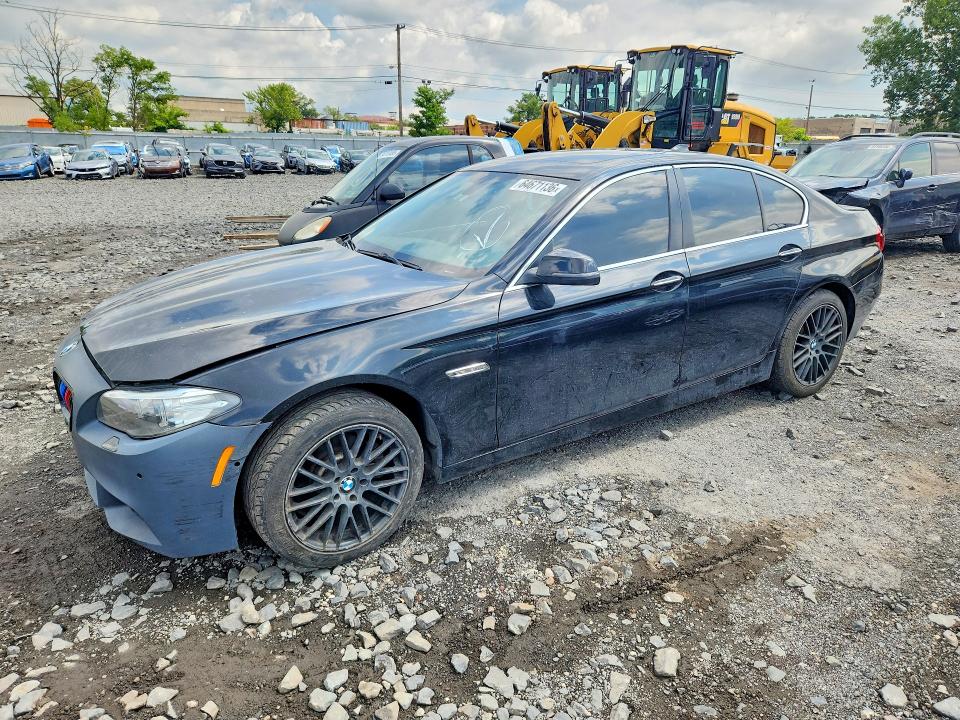
2015 BMW 528xi Flood Salvage: $9K Car That Will Eat $15K
The modules alone are $3K. The carpets are the least of it. Flood BMWs don't die fast — they die expensive.
How is the Shame Score calculated?
The Shame Score (1–10) combines five signals: damage-type severity, title-condition risk, the gap between ACV (Actual Cash Value — the car's pre-damage market price) and AI max bid, listing red flags (run/drive status, secondary damage), and misleading-listing signals from AI photo analysis. A score of 8+ means the model found no financially defensible reason to bid. ACV is pulled from auction listing data; repair costs reference industry body-shop benchmarks. All figures are directional estimates, not binding quotes. Repair costs reference CCC Intelligent Solutions benchmarks and regional body-shop averages.
Would you bid?
Vehicle
2015 BMW 5 SERIES
Title
salvage
Damage
WATER/FLOOD
State
New York
Mileage
100-150k
Runs/drives
Yes
Approx ACV
~$9,000
AI max bid
$0
ACV from auction listing data · Repair costs via CCC benchmarks + body-shop averages
In plain numbers: Someone is bidding ~$8,100+ on this vehicle. AI analysis says it's worth at most $0 as a project. That's a $9,000gap. Here's why.
A 2015 528xi with xDrive and a buy-now of zero dollars. The bid is sitting at nothing. The ACV (Actual Cash Value — what the car was worth before the water got in) is $9,000, which on a clean 528xi feels almost reasonable for the trim level. xDrive, the turbocharged four, probably the premium package. You start doing the math on what these go for at retail and something in your brain says: wait.
The listing says it runs and drives. It does not say for how long. Flood cars are famous for running fine at the auction, fine on the trailer, fine in your driveway — and then, three weeks later, a control module somewhere in the body electrical system quietly corrodes through and the car becomes a very heavy lawn ornament. BMW uses roughly forty-seven separate control modules to manage everything from the adaptive headlights to the seat memory to the transfer case. Every one of them lives in a harness that water wicks through like a sponge. The listing shows you the outside. It does not show you the footwells, the trunk floor, the area under the rear seat where flood water pools and sits and grows things.
Flood remediation on a BMW 5-series is not a weekend job. Mold remediation alone runs $1,500–$2,500 if a shop does it right, and they will find it in places you cannot reach. Wiring harness replacement — partial, because nobody replaces the whole thing — $2,000–$4,000 depending on what corrodes first. A single failed body control module is $800–$1,200 in parts before labor. The xDrive transfer case has its own electronics, its own sensors, its own failure modes when water intrudes. Figure $1,800–$3,500 if that unit was submerged. Add the salvage title (legally declared a total loss by an insurance company) — which drops resale value by 40–60% on a luxury car — and you have a vehicle worth $3,600–$5,400 on the open market after you've spent $8,000 fixing it. Flood remediation $2,000 + harness work $3,000 + module replacements $2,400 + transfer case service $1,800 = $9,200 before you've touched the brakes or the cooling system, both of which were also underwater.
Someone is going to bid on this because it runs and drives and it's a BMW and the number feels low. Derek in Columbus is going to drive it home, park it in his garage, and spend the next four months watching warning lights appear in an order that makes no sense. The car will not catastrophically fail. It will just slowly, methodically, expensively remind him that water goes everywhere, and BMW charges accordingly for everywhere.
“143,000 miles of deferred maintenance just became 143,000 miles of deferred flood damage.”
What to watch for: WATER/FLOOD
- •Pull the rear seat cushion out — it lifts straight up on most BMWs. The floor pan underneath should be dry metal. If the sound deadening is damp, discolored, or smells like anything other than nothing, the car sat in water long enough to rot.
- •Open the trunk and press down on the spare tire well floor mat. Water pools there and never fully evaporates. Wet foam in the spare well means the tail end was submerged, which means the rear body control module and tail lamp harnesses were too.
- •Check the OBD port under the dash with a scanner before you bid — look for stored fault codes in the body electronics, not just the engine. A flood car will show codes in modules that have no business failing: seat control units, sunroof modules, mirror memory. Three or more body electrical faults is a harness car.
- •Look at the seat rail bolts on the driver's side. If there's rust bloom on the bolt heads or a white mineral line on the carpet around the rails, the floor was wet long enough to leave a watermark. That line tells you exactly how deep the water was.
Tomorrow’s lot. Before the auction. Free.
One lot. AI verdict. Max bid. The numbers that matter — before you bid.
Not bidding? Same email — one lot, one roast, every morning. Join readers who watch so they never bid blind.
Not ready? Browse all entries →TL;DR — copy & share
2015 BMW 5 SERIES / WATER/FLOOD / New York / ACV ~$9,000 Shame Score: 8.2/10 | AI Max Bid: $0 143,000 miles of deferred maintenance just became 143,000 miles of deferred flood damage. vetmyride.com/hall-of-shame/2015-bmw-528xi-flood-salvage-k-car-that-will-eat-k-64671136
Previous entry
2012 AUDI A7 · Shame 8.2
“The most expensive thing this A7 will ever do is sit in your driveway.”
Lot identifying info (lot number, VIN, seller, exact sale date) scrubbed. AI commentary is opinion based on publicly listed damage + auction signals. Always inspect in person before bidding.
AI-generated opinion based on publicly listed auction data. Not a factual vehicle assessment. Actual vehicle condition may differ from listing description. All figures are directional estimates, not binding quotes. VetMyRide is not affiliated with, endorsed by, or sponsored by any auction platform. Not a substitute for professional inspection.