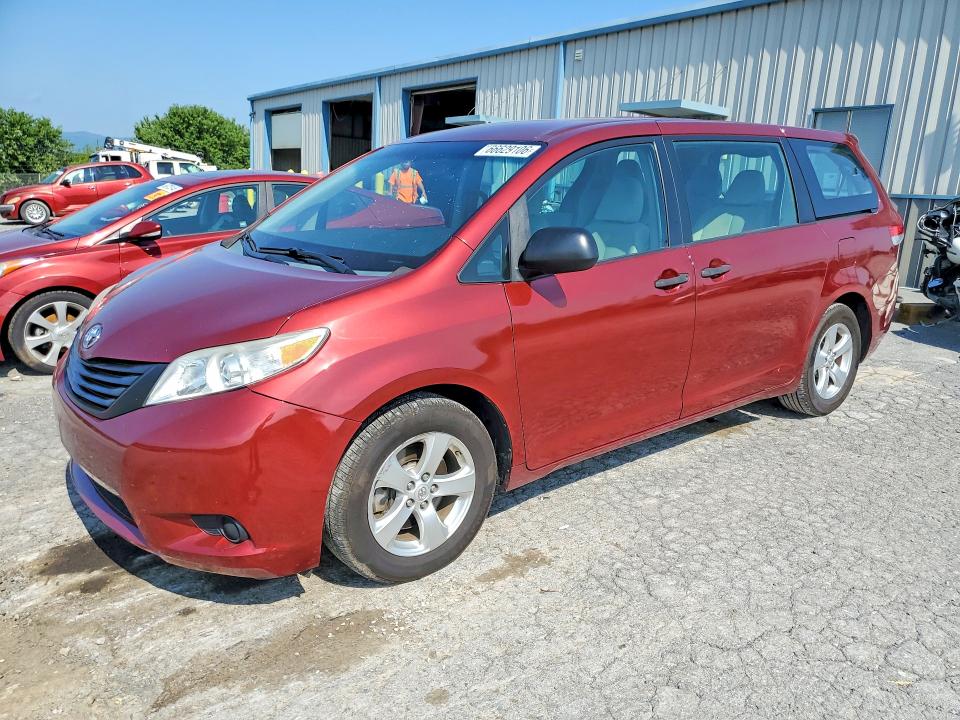
2013 Toyota Sienna Flood Salvage at 239K Miles: Walk Away
Flood + salvage title + 239K miles means the corrosion you can't see is already winning.
How is the Shame Score calculated?
The Shame Score (1–10) combines five signals: damage-type severity, title-condition risk, the gap between ACV (Actual Cash Value — the car's pre-damage market price) and AI max bid, listing red flags (run/drive status, secondary damage), and misleading-listing signals from AI photo analysis. A score of 8+ means the model found no financially defensible reason to bid. ACV is pulled from auction listing data; repair costs reference industry body-shop benchmarks. All figures are directional estimates, not binding quotes. Repair costs reference CCC Intelligent Solutions benchmarks and regional body-shop averages.
Would you bid?
Vehicle
2013 TOYOTA SIENNA L 7
Title
salvage
Damage
WATER/FLOOD
State
Pennsylvania
Mileage
over 200k
Runs/drives
Yes
Approx ACV
~$8,000
AI max bid
$0
ACV from auction listing data · Repair costs via CCC benchmarks + body-shop averages
In plain numbers: Someone is bidding ~$7,200+ on this vehicle. AI analysis says it's worth at most $0 as a project. That's a $8,000gap. Here's why.
A 2013 Toyota Sienna with a working key, seven seats, and a bid sitting at zero dollars. The Sienna platform is bulletproof — these things routinely crack 250K without drama, and the 3.5L V6 in this generation is one of the more forgiving engines Toyota ever bolted to a family hauler. Someone is going to look at that $8,175 ACV (Actual Cash Value — what the vehicle was worth before the damage event) and think they're getting a deal on a van that literally starts and moves under its own power.
The listing says water/flood damage and stops there. No secondary damage listed, which sounds like good news until you remember that flood disclosures describe what happened, not what it did. At 239,209 miles, every electrical connector, every ground strap, every sensor harness in this van was already operating on borrowed time. Water found all of it. Flood damage on a high-mileage vehicle doesn't just corrode the new stuff — it accelerates the failure of everything that was already marginal. The sliding door motors, the power liftgate, the HVAC blend doors, the transmission solenoids. The ABS module. The ECU. The thing that tells the fuel injectors when to fire.
Here's the math that ends the conversation: mold remediation on a seven-passenger interior runs $1,500–$2,500 if you catch it early. You did not catch it early. Full electrical diagnosis at a shop that knows what they're doing is $300–$600 before they fix a single wire. Sliding door actuator replacement, one side: $400–$700 parts and labor, and flood vans eat both of them. Transmission service on a flooded automatic — flush, filter, inspection — $350 minimum, and if water got into the valve body you're looking at $2,800–$4,500 for a rebuild on a 239K unit that was already past its warranty horizon. Carpet, padding, and subfloor treatment another $800–$1,500. That's $6,150–$9,800 in conservative, optimistic estimates before you've addressed a single mechanical failure that the water caused but hasn't revealed yet. The ACV is $8,175. The salvage title (legally declared a total loss by an insurance company) means you cannot get standard financing, standard insurance, or a clean registration in most states without a rebuilt title inspection — which this van may not pass.
Someone is going to bid on this because it runs. Karen in Pensacola is going to put her kids in it for six months until the ECU throws a code no scanner can read and the van dies on an on-ramp. The floor under the third-row seat is already soft. The smell comes back every August. This is not a project — it's a debt that drives.
“239,000 miles and a swim meet — this van has lived more lives than it has left.”
What to watch for: WATER/FLOOD
- •Pull the driver's side carpet back at the corner near the B-pillar and press the padding underneath. If it's damp, cold, or smells like dirt, the floor is still holding water six months later — and the metal beneath it is already rusting from the inside out.
- •Find the main fuse box under the hood and look at the relay terminals and fuse contacts. Flood vans show green or white oxidation on every exposed metal contact. If you see it there, it's everywhere you can't see.
- •Open both sliding doors and look at the bottom track where the door roller rides. That channel collects water and holds it. Rust in the track means the motor is already fighting corrosion every time the door moves — and when the motor gives up, the door doesn't open.
- •Sit in the driver's seat and cycle through every electrical function: windows, mirrors, all three climate zones, the power liftgate, both sliding doors, every seat position if powered. Flood damage kills these systems in sequence over months. Whatever doesn't work today is the first bill.
- •Check the spare tire well under the rear cargo floor. It's the lowest point in the vehicle and the last place to dry out. Standing water or a waterline ring in the spare tire well means the flood was deep enough to fill the cabin — not just splash damage.
Tomorrow’s lot. Before the auction. Free.
One lot. AI verdict. Max bid. The numbers that matter — before you bid.
Not bidding? Same email — one lot, one roast, every morning. Join readers who watch so they never bid blind.
Not ready? Browse all entries →TL;DR — copy & share
2013 TOYOTA SIENNA L 7 / WATER/FLOOD / Pennsylvania / ACV ~$8,000 Shame Score: 8.2/10 | AI Max Bid: $0 239,000 miles and a swim meet — this van has lived more lives than it has left. vetmyride.com/hall-of-shame/2013-toyota-sienna-flood-salvage-at-walk-away-66629106
Previous entry
2019 INFINITI Q50 · Shame 9.1
“The most expensive thing left on this car is the badge.”
Lot identifying info (lot number, VIN, seller, exact sale date) scrubbed. AI commentary is opinion based on publicly listed damage + auction signals. Always inspect in person before bidding.
AI-generated opinion based on publicly listed auction data. Not a factual vehicle assessment. Actual vehicle condition may differ from listing description. All figures are directional estimates, not binding quotes. VetMyRide is not affiliated with, endorsed by, or sponsored by any auction platform. Not a substitute for professional inspection.