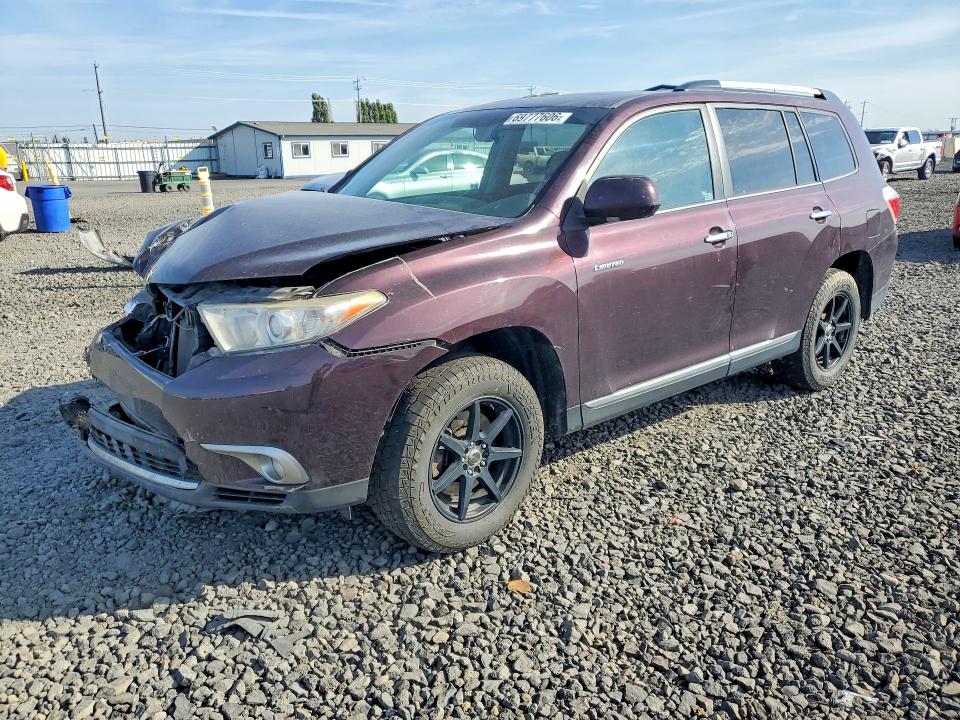
2013 Toyota Highlander Limited: 260K Miles, Salvage, Undercarriage Unknown
Salvage title means you can't finance it, can't insure it full-coverage, and can't sell it without explaining why.
How is the Shame Score calculated?
The Shame Score (1–10) combines five signals: damage-type severity, title-condition risk, the gap between ACV (Actual Cash Value — the car's pre-damage market price) and AI max bid, listing red flags (run/drive status, secondary damage), and misleading-listing signals from AI photo analysis. A score of 8+ means the model found no financially defensible reason to bid. ACV is pulled from auction listing data; repair costs reference industry body-shop benchmarks. All figures are directional estimates, not binding quotes. Repair costs reference CCC Intelligent Solutions benchmarks and regional body-shop averages.
Would you bid?
Vehicle
2013 TOYOTA HIGHLANDER
Title
salvage
Damage
UNDERCARRIAGE
State
Washington
Mileage
over 200k
Runs/drives
Yes
Approx ACV
~$12,000
AI max bid
$0
ACV from auction listing data · Repair costs via CCC benchmarks + body-shop averages
In plain numbers: Someone is bidding ~$10,800+ on this vehicle. AI analysis says it's worth at most $0 as a project. That's a $12,000gap. Here's why.
A 2013 Highlander Limited is a genuinely good truck. Toyota's 3.5L V6, third row, leather, power everything, the kind of SUV that suburban families run to 200K without thinking about it. The ACV (Actual Cash Value — what it was worth before whatever happened happened) is $11,600, which sounds like a deal on a vehicle that still drives and hands you the keys. Zero dollars bid. You could own this thing for a song.
The primary damage is listed as undercarriage. Not 'front end.' Not 'rear.' Undercarriage — which is the auction's way of saying something hit or bent or compromised the structural floor of the vehicle, and nobody at the yard has been specific about what. The secondary damage field is blank, which at 260,591 miles on a salvage title isn't reassuring — it's suspicious. A car with a quarter-million miles doesn't have one clean story. It has seventeen stories, and the undercarriage chapter is the one they're not finishing.
Here's what undercarriage damage costs when you start pulling on the thread: subframe replacement $1,800–$3,200, frame straightening $2,500–$4,500 if it's even straightenable, control arm and suspension component replacement $900–$2,400, exhaust system inspection and repair $400–$1,200, transfer case inspection because if something hit hard enough to damage the undercarriage it was close to the transfer case. Add a pre-purchase inspection from a shop that will actually put it on a lift — $150. Add the salvage title (legally declared a total loss by an insurance company) discount you'll eat forever when you try to resell: roughly 30–40% off ACV, which on an $11,600 car is $3,480–$4,640 vaporized on exit. Subframe $2,500 + suspension $1,800 + exhaust $800 + inspection $150 = $5,250 before you've touched the 260K drivetrain that nobody has warranted anything about.
At 260,591 miles, this Highlander's transmission is living on borrowed time regardless of the crash. The V6 is durable but not immortal, and you have zero service history on a salvage unit bought at auction. You will register this with a rebuilt title (a salvage title re-issued after repairs, worth less than either), pay cash-only insurance, and explain it to every buyer you ever find. Diane in Chattanooga is going to bid on this because it drives and the price is zero and she's going to spend the next four months finding out what 'undercarriage' actually meant.
“260,000 miles and the undercarriage damage is still 'unknown' — to whom?”
What to watch for: UNDERCARRIAGE
- •Get it on a lift and look at the subframe rails — if they're creased, kinked, or show fresh undercoating sprayed over bare metal, the frame took a hit and was cosmetically addressed, not repaired.
- •Check every suspension pickup point for cracks or weld repairs. Grab each front wheel at 9 and 3 o'clock and try to wiggle it — any play means the steering or hub is compromised.
- •Look at the exhaust hangers and catalytic converter heat shields. If they're bent, torn, or missing, whatever hit the undercarriage hit hard enough to move metal that's supposed to be protected.
- •Inspect the transfer case and transmission pan from below with a flashlight. Fresh oil streaks on old grime means something is seeping that wasn't seeping before the incident.
- •Run the VIN through the state DMV, not just Carfax. Find out which state issued the salvage title and what the triggering incident was — some states title flood cars as salvage, others use it only for structural damage. The difference matters.
Tomorrow’s lot. Before the auction. Free.
One lot. AI verdict. Max bid. The numbers that matter — before you bid.
Not bidding? Same email — one lot, one roast, every morning. Join readers who watch so they never bid blind.
Not ready? Browse all entries →TL;DR — copy & share
2013 TOYOTA HIGHLANDER / UNDERCARRIAGE / Washington / ACV ~$12,000 Shame Score: 7.2/10 | AI Max Bid: $0 260,000 miles and the undercarriage damage is still 'unknown' — to whom? vetmyride.com/hall-of-shame/2013-toyota-highlander-limited-salvage-undercarriage-unknown-69777606
Previous entry
1992 FORD F350 · Shame 9.2
“The most documented thing about this truck is the fire.”
Lot identifying info (lot number, VIN, seller, exact sale date) scrubbed. AI commentary is opinion based on publicly listed damage + auction signals. Always inspect in person before bidding.
AI-generated opinion based on publicly listed auction data. Not a factual vehicle assessment. Actual vehicle condition may differ from listing description. All figures are directional estimates, not binding quotes. VetMyRide is not affiliated with, endorsed by, or sponsored by any auction platform. Not a substitute for professional inspection.