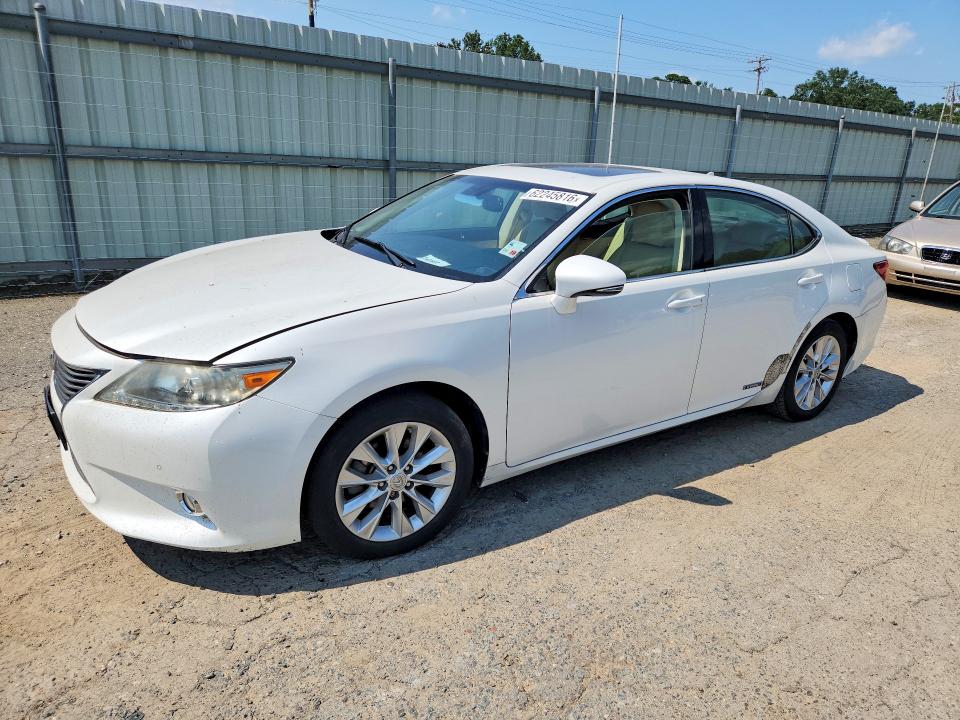
2013 Lexus ES300h Flood Salvage: The $12,550 Lie
That hybrid battery pack costs $4,800–$8,000 to replace. The flood already got to it.
How is the Shame Score calculated?
The Shame Score (1–10) combines five signals: damage-type severity, title-condition risk, the gap between ACV (Actual Cash Value — the car's pre-damage market price) and AI max bid, listing red flags (run/drive status, secondary damage), and misleading-listing signals from AI photo analysis. A score of 8+ means the model found no financially defensible reason to bid. ACV is pulled from auction listing data; repair costs reference industry body-shop benchmarks. All figures are directional estimates, not binding quotes. Repair costs reference CCC Intelligent Solutions benchmarks and regional body-shop averages.
Would you bid?
Vehicle
2013 LEXUS ES300
Title
salvage
Damage
WATER/FLOOD
State
Louisiana
Mileage
—
Runs/drives
—
Approx ACV
~$13,000
AI max bid
$0
ACV from auction listing data · Repair costs via CCC benchmarks + body-shop averages
In plain numbers: Someone is bidding ~$11,700+ on this vehicle. AI analysis says it's worth at most $0 as a project. That's a $13,000gap. Here's why.
A 2013 Lexus ES300h is genuinely one of the better used luxury hybrids you can find. Smooth, quiet, Toyota reliability underneath the Lexus badge, and a hybrid system that — when dry — routinely hits 200,000 miles without drama. The ES300h was the sensible luxury buy. Leather, Mark Levinson sound, a ride so composed you forget the world exists. At $0 current bid against a $12,550 ACV (Actual Cash Value — what the car was worth before the water found it), a certain kind of buyer is already doing math in their head. Stop doing math.
The listing says water/flood damage and then goes quiet. No mileage. No run/drive status. Unknown is doing a lot of heavy lifting here, and not in your favor. What the listing is not telling you is that the ES300h's nickel-metal hydride battery pack lives under the rear seat — which is to say, it lives exactly where floodwater pools, sits, and waits. You cannot see this damage in photos. You cannot smell it until the car is warm. The corrosion on those battery terminals is happening right now, while you read this.
Hybrid battery replacement on an ES300h runs $4,800–$8,000 depending on whether you go OEM or remanufactured, and that assumes the battery is the only casualty. Flood damage to a hybrid means the inverter ($1,500–$3,000), the high-voltage wiring harness ($800–$2,400), and every control module that touched contaminated water is suspect. The infotainment, the climate control, the transmission control unit — all of it marinates in mineral deposits that short circuits six months after the car appears to run fine. Mold remediation on a flooded interior runs $1,200–$2,500 if you catch it early. You won't catch it early. Salvage title (legally declared a total loss by an insurance company) means financing is gone, most insurers won't touch full coverage, and resale value is roughly half of ACV on a good day. Hybrid battery $6,000 + inverter $2,200 + wiring harness $1,600 + mold remediation $1,800 + miscellaneous electrical $1,500 = $13,100 before the first oil change.
Denise in Chattanooga is going to bid $800 on this, drive it home behind a tow truck, and discover the battery warning light was just waiting for the humidity to climb. The car was worth $12,550 before it went swimming. It is worth considerably less than whatever you're about to type into that bid field.
“The nicest car in the swamp.”
What to watch for: WATER/FLOOD
- •Pull the rear seat cushion before you bid on anything — on the ES300h, the hybrid battery module sits directly underneath it. Look for a white, chalky mineral residue on the plastic housing or any corrosion on the orange high-voltage cables. Either one means the battery took water.
- •Shine a flashlight into the footwell carpet and press down hard with your palm. If the padding releases any moisture or smells like wet dog mixed with mildew, the floor pan has been holding water. Dry-looking carpet over wet padding is the oldest flood trick in the book.
- •Check the seat-belt pre-tensioner connectors at the base of the B-pillar — they sit low and collect water. Corrosion there means the airbag system has also been compromised, and airbag module replacement runs $600–$1,200 per unit before reprogramming.
- •On any hybrid flood car, request a hybrid battery state-of-health scan with a Toyota Techstream or equivalent OBD tool before bidding. A degraded battery will show individual cell voltage imbalances. A battery that reads zero on multiple cells is a core you're hauling to a recycler, not a repair.
- •Look at the VIN plate on the dashboard and the door jamb sticker — if either shows water staining or the adhesive is bubbling, the waterline was at window level or higher. That's not a flood. That's a submarine.
Tomorrow’s lot. Before the auction. Free.
One lot. AI verdict. Max bid. The numbers that matter — before you bid.
Not bidding? Same email — one lot, one roast, every morning. Join readers who watch so they never bid blind.
Not ready? Browse all entries →TL;DR — copy & share
2013 LEXUS ES300 / WATER/FLOOD / Louisiana / ACV ~$13,000 Shame Score: 9.2/10 | AI Max Bid: $0 The nicest car in the swamp. vetmyride.com/hall-of-shame/2013-lexus-es300h-flood-salvage-the-lie-62245816
Previous entry
2013 FORD ESCAPE · Shame 8.2
“The key works. Everything the key starts is a different conversation.”
Lot identifying info (lot number, VIN, seller, exact sale date) scrubbed. AI commentary is opinion based on publicly listed damage + auction signals. Always inspect in person before bidding.
AI-generated opinion based on publicly listed auction data. Not a factual vehicle assessment. Actual vehicle condition may differ from listing description. All figures are directional estimates, not binding quotes. VetMyRide is not affiliated with, endorsed by, or sponsored by any auction platform. Not a substitute for professional inspection.