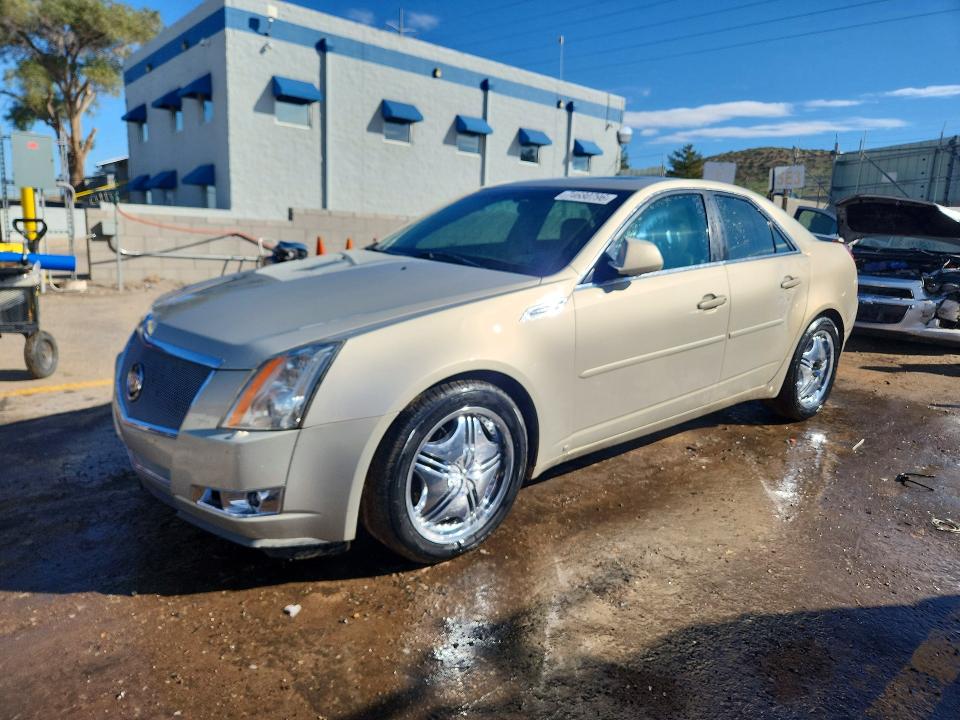
2008 Cadillac CTS Flood Salvage: $4,150 ACV, $0 Bid, Zero Survivors
Salvage title on a flooded CTS means the insurer already did the math — and walked away.
How is the Shame Score calculated?
The Shame Score (1–10) combines five signals: damage-type severity, title-condition risk, the gap between ACV (Actual Cash Value — the car's pre-damage market price) and AI max bid, listing red flags (run/drive status, secondary damage), and misleading-listing signals from AI photo analysis. A score of 8+ means the model found no financially defensible reason to bid. ACV is pulled from auction listing data; repair costs reference industry body-shop benchmarks. All figures are directional estimates, not binding quotes. Repair costs reference CCC Intelligent Solutions benchmarks and regional body-shop averages.
Would you bid?
Vehicle
2008 CADILLAC CTS
Title
salvage
Damage
WATER/FLOOD
State
New Mexico
Mileage
50-100k
Runs/drives
—
Approx ACV
~$4,000
AI max bid
$0
ACV from auction listing data · Repair costs via CCC benchmarks + body-shop averages
In plain numbers: Someone is bidding ~$3,600+ on this vehicle. AI analysis says it's worth at most $0 as a project. That's a $4,000gap. Here's why.
Ninety-two thousand miles on a 2008 CTS and the bid is sitting at zero dollars. That should tell you something. The CTS was a genuinely good car — rear-wheel drive, available V6, the kind of interior GM actually tried on. At $4,150 ACV (Actual Cash Value — what it was worth before the wreck), a clean example of this car is a legitimate deal. The price is almost offensive in how attractive it looks.
The listing says water/flood for primary damage and leaves the secondary damage field blank. That blank field is doing a lot of work. Flood cars don't have neat, contained damage. Water finds every wire harness, every control module, every connector behind every panel you'd never think to pull. The CTS generation ran a body control module, an engine control module, a transmission control module, and a climate control unit — all of them sitting in locations that flood water loves. None of them are cheap. None of them announce their failure immediately. They wait.
Run/drive is listed as unknown. On a flood car, unknown almost always means it ran when it came in and then stopped, or it never ran at all and someone decided not to find out why. Either way, you're looking at a salvage title (legally declared a total loss by the insurer) on a car with an electrical system that spent quality time underwater. Module replacement on this generation CTS runs $400–$900 per unit, and you won't know how many are compromised until you're already in. Add transmission service because water intrusion into a 6L50 automatic is a quiet killer — fluid flush and inspection alone is $300, rebuild is $2,200. Carpet and padding removal, drying, and replacement: $1,400. Mold remediation if it's been sitting: $800–$1,500. You're at $4,700–$6,900 in known costs before you've touched anything mechanical, on a car worth $4,150 clean.
Someone is going to buy this for $600 and spend the next four months chasing electrical gremlins through a 15-year-old GM wiring diagram. The salvage title follows the car forever, tanks the resale to near zero, and makes it uninsurable at full value. Sandra in Shreveport is going to drive it home in triumph and park it in her driveway while she waits for a module that's been backordered since February.
“The Bose system still works great. For growing mold.”
What to watch for: WATER/FLOOD
- •Pull the driver's side carpet back at the corner near the door sill and press the padding underneath. If it's damp, cold, or smells like river bottom, the car has been holding water for months and the floor is already rusting from beneath the paint.
- •Open every fuse box — there are three on this generation CTS — and look for corrosion on the terminals. Green or white crust on any fuse blade means water got in. If the fuse boxes look clean, someone wiped them down. Check the back side of the fuses themselves.
- •Sit in the driver's seat and turn the key to the 'on' position without starting the car. Count how many warning lights stay on after the initial sweep. One or two is normal. Four or more on a flood car means multiple modules have already failed and are throwing codes they'll never stop throwing.
- •Check the seat rail bolts at floor level with a flashlight. Rust at the bolt heads on a car from a dry climate means the floor was submerged long enough to start oxidizing structural metal — and if the seat rails are rusting, the frame rails below them are worse.
Tomorrow’s lot. Before the auction. Free.
One lot. AI verdict. Max bid. The numbers that matter — before you bid.
Not bidding? Same email — one lot, one roast, every morning. Join readers who watch so they never bid blind.
Not ready? Browse all entries →TL;DR — copy & share
2008 CADILLAC CTS / WATER/FLOOD / New Mexico / ACV ~$4,000 Shame Score: 7.2/10 | AI Max Bid: $0 The Bose system still works great. For growing mold. vetmyride.com/hall-of-shame/2008-cadillac-cts-flood-salvage-acv-bid-zero-survivors-74680796
Previous entry
2022 VOLVO XC40 · Shame 9.2
“Volvo built it to survive a crash. It did not survive a puddle.”
Lot identifying info (lot number, VIN, seller, exact sale date) scrubbed. AI commentary is opinion based on publicly listed damage + auction signals. Always inspect in person before bidding.
AI-generated opinion based on publicly listed auction data. Not a factual vehicle assessment. Actual vehicle condition may differ from listing description. All figures are directional estimates, not binding quotes. VetMyRide is not affiliated with, endorsed by, or sponsored by any auction platform. Not a substitute for professional inspection.