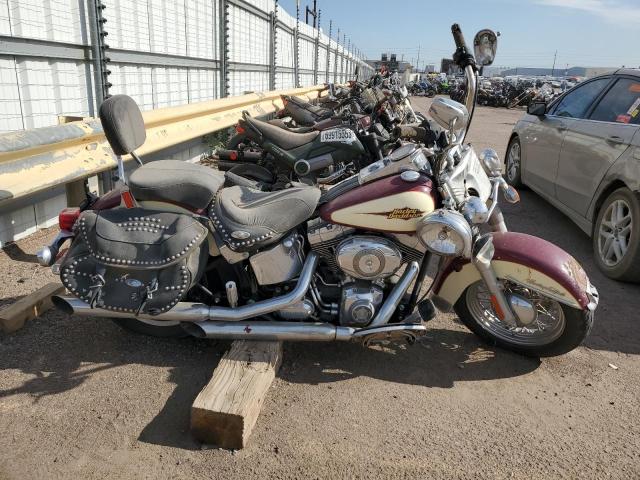
2007 Harley FLSTC: All-Over Damage, No Key, No Mileage, $150 Bid
No key means no compression test. No mileage means no history. 'All over' means exactly that.
How is the Shame Score calculated?
The Shame Score (1–10) combines five signals: damage-type severity, title-condition risk, the gap between ACV (Actual Cash Value — the car's pre-damage market price) and AI max bid, listing red flags (run/drive status, secondary damage), and misleading-listing signals from AI photo analysis. A score of 8+ means the model found no financially defensible reason to bid. ACV is pulled from auction listing data; repair costs reference industry body-shop benchmarks. All figures are directional estimates, not binding quotes. Repair costs reference CCC Intelligent Solutions benchmarks and regional body-shop averages.
Would you bid?
Vehicle
2007 HARLEY-DAVIDSON FL
Title
clean
Damage
ALL OVER
State
Arizona
Mileage
—
Runs/drives
—
AI max bid
$0
ACV from auction listing data · Repair costs via CCC benchmarks + body-shop averages
A 2007 Harley-Davidson FLSTC Heritage Softail Classic. Chrome everywhere, fat front fender, those swept forks that make grown men cry at dealerships. These bikes hold value like a grudge — a clean, running example sits between $7,000 and $10,000 retail without breaking a sweat. At $150 current bid, you're thinking what everyone thinks: I can't lose. It's a Harley. The worst case is I part it out.
The damage category is 'All Over.' Not front end. Not rear quarter. Not tip-over cosmetic. All over — which is the auction equivalent of a shrug. That phrase exists because whoever wrote the listing ran out of boxes to check. It means the damage is distributed enough that no single category covers it, which means this bike either went down at speed, got hit by something larger than itself, or spent time somewhere it was not supposed to be. The listing has no mileage, which on a 17-year-old bike isn't a quirk — it's a signal. Odometers on Harleys don't just stop displaying. Someone disconnected something, or the instrument cluster is gone entirely, or the bike has been sitting in pieces long enough that nobody thought to check.
No key means no ignition test, no electrical check, no way to know if the engine turns over or if it seized three owners ago. A Harley Twin Cam teardown runs $1,500 to $2,800 in labor before you've bought a single part. If the primary chain case is damaged — and 'all over' suggests nothing was spared — add $400 in parts minimum. Bent frame? Harley frames are not cheap to replace and most shops won't straighten them on a cruiser; a replacement Heritage frame runs $800 to $1,400 used, plus alignment, plus labor, plus re-titling paperwork because you're now building a bike not repairing one. Forks, if bent: $600 to $900 for a used set plus seals plus installation. Wheels, if tacoed: $300 to $700 each. You are not parting this out for a windfall either — 'all over' damage means the chrome is scratched, the fenders are bent, and the saddlebags that collectors want are probably cracked or missing.
Somebody is going to win this at $400 and trailer it home on a borrowed trailer and spend the next four months on forums asking why the title came back with a lien they didn't know about. The clean title on a no-key, no-mileage, all-over-damage Harley is the most expensive kind of clean title there is — the kind that makes you feel safe right up until you're not. Deborah in Knoxville is going to outbid three people on this and then find out the engine cases are cracked. Walk.
“The only thing they know about this bike is that it's blue.”
What to watch for: ALL OVER
- •With 'all over' damage, start at the frame — look for creases or wrinkles in the downtube below the neck and along the backbone. A bent Harley frame is not a repair; it's a parts bike. Bring a flashlight and crouch down to sight along the tubes from the front.
- •Check both engine cases (the large aluminum castings on either side of the motor) for cracks, gouges, or fresh weld repairs. A cracked case means the engine is junk. If the bike went down on its right side, the primary cover is likely damaged; on the left, the exhaust and shifter took the hit.
- •Look at the fork legs — hold your phone camera level with the axle and sight up toward the triple tree. Any visible bow or offset means the forks are bent and the front wheel will never track straight. Replacement fork legs for an FLSTC are not a weekend swap.
- •No key means no way to test the ignition switch, but you can still check if the handlebar controls are intact — if the switch housings are cracked or the wiring harness is pulled, add $300 to $600 before you've touched anything mechanical.
- •On any Harley with unknown mileage, pull the derby cover (the round chrome cover on the primary) if possible and look at the clutch plates — heavy wear or scoring tells you more about this engine's life than any odometer would have.
Tomorrow’s lot. Before the auction. Free.
One lot. AI verdict. Max bid. The numbers that matter — before you bid.
Not bidding? Same email — one lot, one roast, every morning. Join readers who watch so they never bid blind.
Not ready? Browse all entries →TL;DR — copy & share
2007 HARLEY-DAVIDSON FL / ALL OVER / Arizona / ACV ~$? Shame Score: 9.2/10 | AI Max Bid: $0 The only thing they know about this bike is that it's blue. vetmyride.com/hall-of-shame/2007-harley-flstc-all-over-damage-no-key-no-mileage-bid-55769594
Previous entry
2006 YAMAHA YZF1000 · Shame 8.2
“The damage category is 'all over.' That's not a description. That's a confession.”
Lot identifying info (lot number, VIN, seller, exact sale date) scrubbed. AI commentary is opinion based on publicly listed damage + auction signals. Always inspect in person before bidding.
AI-generated opinion based on publicly listed auction data. Not a factual vehicle assessment. Actual vehicle condition may differ from listing description. All figures are directional estimates, not binding quotes. VetMyRide is not affiliated with, endorsed by, or sponsored by any auction platform. Not a substitute for professional inspection.