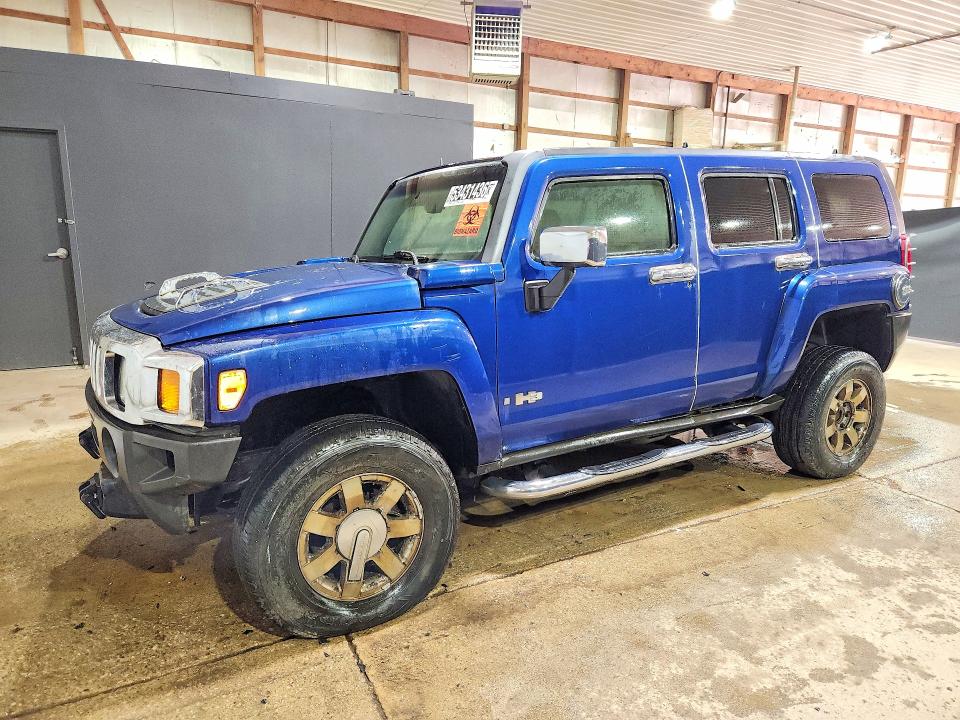
2006 Hummer H3 Fire Damage: $80 Bid, $5K ACV, Zero Answers
A burned H3 with clean title sounds like a deal until you find the wiring harness fused to the firewall.
How is the Shame Score calculated?
The Shame Score (1–10) combines five signals: damage-type severity, title-condition risk, the gap between ACV (Actual Cash Value — the car's pre-damage market price) and AI max bid, listing red flags (run/drive status, secondary damage), and misleading-listing signals from AI photo analysis. A score of 8+ means the model found no financially defensible reason to bid. ACV is pulled from auction listing data; repair costs reference industry body-shop benchmarks. All figures are directional estimates, not binding quotes. Repair costs reference CCC Intelligent Solutions benchmarks and regional body-shop averages.
Would you bid?
Vehicle
2006 HUMMER H3
Title
clean
Damage
BURN
State
Ohio
Mileage
—
Runs/drives
—
Approx ACV
~$5,000
AI max bid
$0
ACV from auction listing data · Repair costs via CCC benchmarks + body-shop averages
In plain numbers: Someone is bidding ~$4,500+ on this vehicle. AI analysis says it's worth at most $0 as a project. That's a $5,000gap. Here's why.
Eighty dollars. For a Hummer. The H3 was the truck that made suburban dads feel like they could ford a river on the way to Costco — body-on-frame attitude, 3.7-liter inline-five, and enough visual aggression to start arguments at stop lights. Copart's ACV (Actual Cash Value — what it was worth before the fire) is $5,075, which is already the basement for a running H3. At $80 current bid, the math looks like it's working in your favor. That feeling is the trap.
The listing says burn damage. It does not say where. It does not say how bad. It does not say whether the fire started in the engine bay, the cab, the fuel system, or the cargo area — and that difference is the difference between a parts car and a total write-off. What the listing also doesn't say: mileage, keys, run/drive status. Three unknowns on a burned vehicle means every inspection starts from zero and every estimate starts from worst-case.
Fire damage on a body-on-frame truck with a complex electrical system is not a single repair — it is a cascade. Engine bay fire means the wiring harness is cooked: $1,800–$3,200 to source and install a replacement, assuming you can find one for a '06 H3. If the fire reached the cab, figure $2,500–$4,000 in interior replacement and another $800–$1,500 in smoke remediation before the smell stops being a problem. Fuel system inspection and replacement if the lines melted: $600–$1,200. Structural inspection for heat damage to the frame rails: $300 just to look, then $2,000–$5,000 if anything warped. Add $400–$800 to diagnose what the ECU (Engine Control Unit — the truck's brain) retained after the fire, if it retained anything. That's $5,900–$15,700 before you've replaced a single body panel or confirmed the engine turns over. The ACV is $5,075.
Somebody is going to win this at $200 and feel like a genius for about four days. Then the tow truck drops it in their driveway, they pull the hood, and they start making phone calls that don't go well. Donna in Shreveport is going to bid on this and spend the next six months finding out what "burn damage" actually meant. The clean title (legally — a title with no salvage or rebuilt branding) survives the fire. The car does not.
“Clean title. Burn damage. Unknown everything. Pick two.”
What to watch for: BURN
- •Stand at the hood and look for color variation on the firewall — heat turns metal from gray to blue to black in a gradient that shows exactly how far the fire traveled. If the firewall is discolored past the center line, the wiring harness behind the dash is compromised.
- •Pull back any remaining carpet or floor mat on the driver's side and look at the wiring bundles running under the dash. Melted insulation looks like black plastic taffy — if you see it, the entire harness needs replacement, not splicing.
- •Check the fuel rail and lines running along the frame for bubbling, cracking, or charred rubber. A heat-damaged fuel line that looks intact can fail under pressure. Don't start the engine until these are inspected by someone who will put that in writing.
- •Open the fuse box — both the one under the hood and the one inside the cab. Burned fuses are obvious, but look for discoloration on the fuse box housing itself. A melted housing means the fire had enough heat to damage the circuits, not just blow them.
- •If the VIN (Vehicle Identification Number) plate on the dash shows any heat warping or the sticker is bubbled, the fire reached the interior. Cross-check the door jamb VIN sticker — if that one is clean and the dash one is damaged, you know exactly where the fire was hottest.
Tomorrow’s lot. Before the auction. Free.
One lot. AI verdict. Max bid. The numbers that matter — before you bid.
Not bidding? Same email — one lot, one roast, every morning. Join readers who watch so they never bid blind.
Not ready? Browse all entries →TL;DR — copy & share
2006 HUMMER H3 / BURN / Ohio / ACV ~$5,000 Shame Score: 9.2/10 | AI Max Bid: $0 Clean title. Burn damage. Unknown everything. Pick two. vetmyride.com/hall-of-shame/2006-hummer-h3-fire-damage-bid-k-acv-zero-answers
Previous entry
2016 TOYOTA COROLLA · Shame 8.2
“The key works. That's the full list of confirmed positives.”
Lot identifying info (lot number, VIN, seller, exact sale date) scrubbed. AI commentary is opinion based on publicly listed damage + auction signals. Always inspect in person before bidding.
AI-generated opinion based on publicly listed auction data. Not a factual vehicle assessment. Actual vehicle condition may differ from listing description. All figures are directional estimates, not binding quotes. VetMyRide is not affiliated with, endorsed by, or sponsored by any auction platform. Not a substitute for professional inspection.