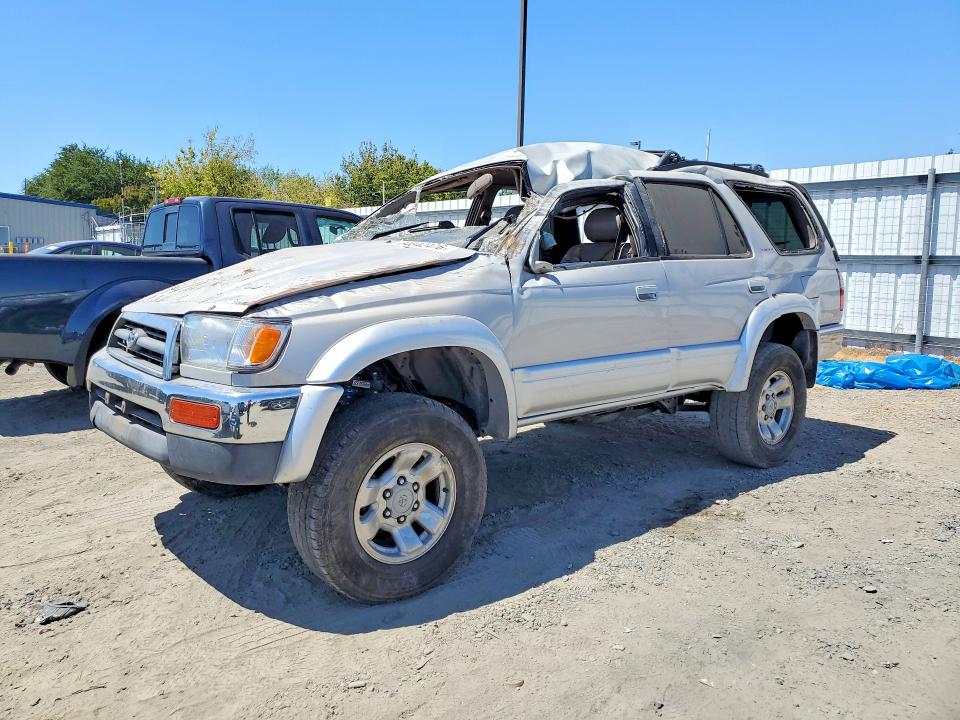
1996 Toyota 4Runner Limited Rollover: 296K Miles, Salvage, $0 Bid
Salvage title on a rolled 4Runner with 296K miles means the frame twisted and nobody's confirming it straightened.
How is the Shame Score calculated?
The Shame Score (1–10) combines five signals: damage-type severity, title-condition risk, the gap between ACV (Actual Cash Value — the car's pre-damage market price) and AI max bid, listing red flags (run/drive status, secondary damage), and misleading-listing signals from AI photo analysis. A score of 8+ means the model found no financially defensible reason to bid. ACV is pulled from auction listing data; repair costs reference industry body-shop benchmarks. All figures are directional estimates, not binding quotes. Repair costs reference CCC Intelligent Solutions benchmarks and regional body-shop averages.
Would you bid?
Vehicle
1996 TOYOTA 4RUNNER
Title
salvage
Damage
ROLLOVER
State
California
Mileage
over 200k
Runs/drives
—
AI max bid
$0
ACV from auction listing data · Repair costs via CCC benchmarks + body-shop averages
A 1996 Toyota 4Runner Limited with a V6, leather, and a moonroof. The trim that made people feel like they were getting a Land Cruiser on a Camry budget. These things have a reputation — the internet is full of 300,000-mile 4Runners still doing overlanding weekends, still pulling boats, still embarrassing newer trucks. The bid is zero dollars. Zero. You could theoretically own a legendary Japanese SUV for less than a tank of premium. The brain starts doing math it shouldn't be doing.
The listing says rollover. Not 'minor rollover.' Not 'low-speed rollover.' Just rollover — which is the auction equivalent of a doctor handing you a clipboard and leaving the room. Rollover damage on a body-on-frame SUV from 1996 means the cab took the hit. The A-pillars, B-pillars, and roof rails are structural on these trucks in a way that a modern crumple-zone car is not. When the roof folds, it doesn't just fold the roof. It loads the firewall, tweaks the door frames, and puts stress into the frame rails in directions Toyota's engineers never planned for. The run/drive status is unknown. The secondary damage field is blank — which doesn't mean there is no secondary damage. It means nobody wrote it down.
Frame inspection on a rolled 4Runner isn't a visual check — it's a measurement job, and the measurements need to come from a frame shop with a dedicated fixture, not a tape measure. Figure $150-$300 for a proper frame check. If the frame is bent — and on a rollover at 296,000 miles, the odds are not in your favor — straightening starts at $1,500 and climbs fast if the damage is compound. Roof replacement or reconstruction on a 1996 4Runner Limited is a fabrication job, not a parts swap: $2,000-$4,000 in labor alone, assuming you can source a donor roof from a truck that isn't also a wreck. Door realignment, glass, weatherstripping, airbag sensors (yes, even a '96 has them), and the interior headliner that absorbed whatever the roof did — add another $1,500-$2,500. The salvage title (legally declared a total loss by an insurance company) means registration in several states requires a rebuilt title inspection, and some states won't register it at all. You cannot insure a salvage title vehicle with comprehensive coverage. If you roll it again — and this one has already demonstrated the capability — you own the loss entirely.
Someone is going to see '4Runner Limited' and '296K' and think the Toyota reputation covers the damage. It doesn't. The reputation is for the drivetrain. The drivetrain is sitting inside a truck that landed on its roof at an unknown speed on an unknown surface with unknown consequences to every structural member holding it together. Donna in Flagstaff is going to bid $400 on this because she watched one YouTube video about 4Runner restoration and now believes in miracles. The frame check alone costs more than the current bid. The math doesn't work at any number that makes sense, because the number you'd need to bid to win this at auction is the number that makes the repair budget impossible.
“296,122 miles and it finally found a ditch.”
What to watch for: ROLLOVER
- •On a rollover, check the A-pillars (the vertical supports framing the windshield) for creasing or rippling. Run your hand along the inside edge from dash to roof. A crease you can feel means the pillar buckled under load — that's a structural failure, not cosmetic.
- •Open all four doors and check the gap between each door and its frame. The gap should be even top to bottom. If the gap is wider at the top than the bottom, or if a door won't latch without lifting it, the body has racked — the whole cab has shifted out of square.
- •Lie on your back and look up at the frame rails from the front and rear of the truck. On a 4Runner the frame is visible and accessible. Look for kinks, paint cracking along the rail, or areas where the rust pattern is interrupted — that's where the metal moved.
- •Check the windshield frame for separation from the body. On a rolled vehicle the windshield gasket often separates slightly at the top corners when the roof loads. Daylight visible from inside the cab around the windshield perimeter means the opening is no longer square.
- •If the truck runs, put it in 4WD and drive a slow circle in both directions. A binding or hopping sensation in 4WD that isn't present in 2WD suggests the front axle or transfer case mounting points have shifted — common when frame rails take an asymmetric load in a rollover.
Tomorrow’s lot. Before the auction. Free.
One lot. AI verdict. Max bid. The numbers that matter — before you bid.
Not bidding? Same email — one lot, one roast, every morning. Join readers who watch so they never bid blind.
Not ready? Browse all entries →TL;DR — copy & share
1996 TOYOTA 4RUNNER / ROLLOVER / California / ACV ~$? Shame Score: 7.2/10 | AI Max Bid: $0 296,122 miles and it finally found a ditch. vetmyride.com/hall-of-shame/1996-toyota-4runner-limited-rollover-salvage-bid-64042476
Previous entry
2026 VOLKSWAGEN JETTA · Shame 9.2
“This car hit something harder than the road before you hit 2,000 miles.”
Lot identifying info (lot number, VIN, seller, exact sale date) scrubbed. AI commentary is opinion based on publicly listed damage + auction signals. Always inspect in person before bidding.
AI-generated opinion based on publicly listed auction data. Not a factual vehicle assessment. Actual vehicle condition may differ from listing description. All figures are directional estimates, not binding quotes. VetMyRide is not affiliated with, endorsed by, or sponsored by any auction platform. Not a substitute for professional inspection.